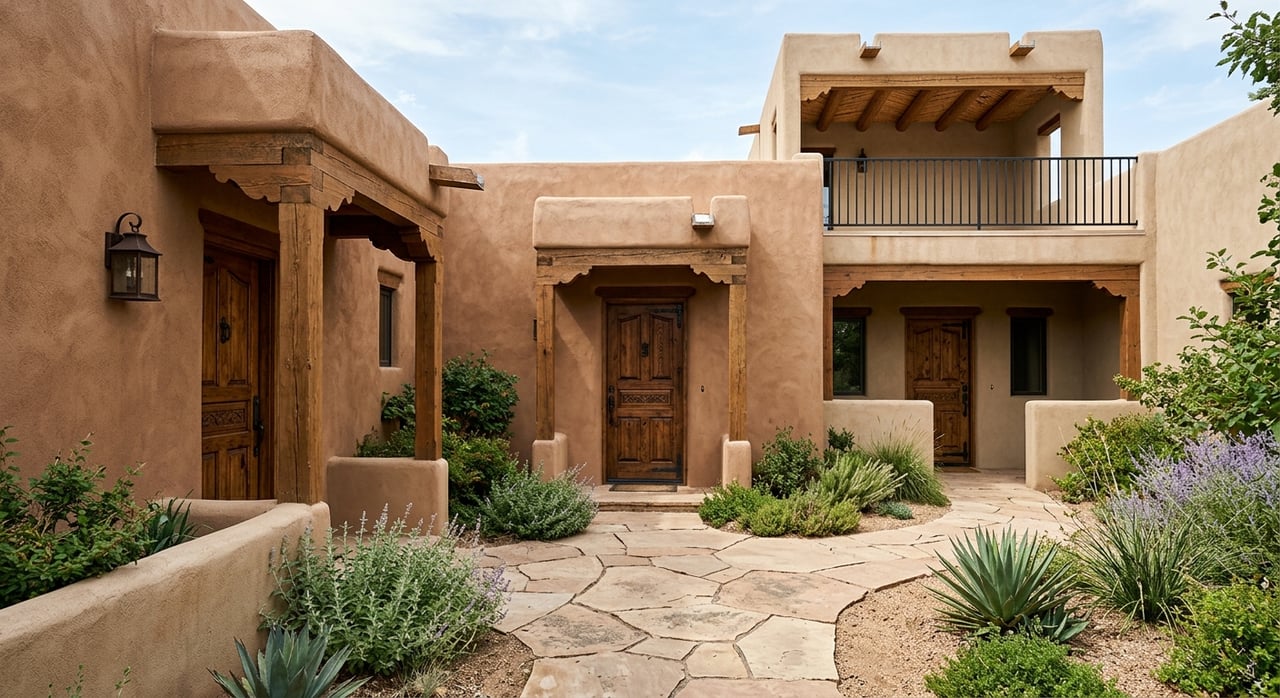
If you want a home that can simplify upkeep without giving up ownership, a condo or townhome in Albuquerque may be worth a serious look. For busy professionals, the appeal is clear: less day-to-day maintenance, predictable routines, and a chance to focus on work, travel, or life outside yard chores. The key is knowing what you are actually buying, what it will truly cost each month, and how to avoid project-level surprises before you close. Let’s dive in.
Start With Ownership, Not the Label
A condo and a townhome can look similar on a listing, but the ownership structure matters more than the marketing language. In general, a condo is a privately owned unit where the association usually maintains shared areas, while a townhome is often a multi-level home with one or two shared walls, a private entrance, and sometimes some outdoor space.
In New Mexico, the recorded declaration and association documents determine the real ownership model. That means a property advertised as a townhome may still be legally part of a condominium or planned community. If you are comparing options in Albuquerque, the governing documents tell you more than the listing headline ever will.
Why Albuquerque Professionals Often Consider Attached Homes
For many professionals, attached housing can offer a practical balance between ownership and convenience. You may get lower day-to-day exterior maintenance responsibilities than with a detached home, along with locations that support commuting, travel, or a more lock-and-leave lifestyle.
That said, convenience does not mean fewer decisions. You still need to review the association structure, rules, budget, and monthly costs with care. A polished exterior or newer unit does not automatically mean the project is financially strong.
Understand Your True Monthly Cost
One of the biggest mistakes buyers make is focusing too much on the mortgage payment and not enough on the full housing cost. HOA or condo dues are generally paid directly to the association and are not part of your monthly mortgage payment, so you need to budget for them separately.
That makes your real affordability test much broader than principal and interest. You will want to look at your mortgage, property taxes, insurance, and monthly association dues together. If the community has a history of special assessments or rising fees, that should also factor into your decision.
What to include in your budget
- Mortgage payment
- Property taxes
- Homeowners insurance
- HOA or condo dues
- Any known special assessments
- Routine interior maintenance and utilities
Condos and Townhomes in Albuquerque vs Rio Rancho
If your search includes both Albuquerque and Rio Rancho, it helps to compare more than list price. In GAAR’s Q4 2025 report, Albuquerque’s attached-home segment showed an average sale price of $261,548 and a median sale price of $265,000, with 54 days on market.
In the Rio Rancho area segment, attached homes posted an average sale price of $339,468 and a median sale price of $322,400, with 66 days on market. In simple terms, Rio Rancho attached homes were pricier and took longer to sell in that period.
For a professional buyer, the better choice may come down to your commute, your monthly payment comfort zone, and the type of amenities or layout you want. A lower purchase price in Albuquerque could help offset dues or leave more room in your budget, while a different location tradeoff in Rio Rancho may appeal if it fits your routine better.
Pay Attention to Market Momentum
Attached homes have remained an active part of the Greater Albuquerque market. GAAR’s annual 2024 market report showed townhouse and condo prices were up 5.8% year over year.
That does not mean every community performs the same way, but it does show this segment has seen continued buyer demand. If you are weighing a condo or townhome against renting or waiting, this trend is one more reason to look closely at the numbers and timing.
Review New Mexico Documents Early
New Mexico has specific document and disclosure requirements for condos and planned communities. Condominiums are governed by the Condominium Act, while planned communities are governed by the Homeowner Association Act. Those are not the same framework, and the applicable documents matter to your rights and obligations as an owner.
Before conveyance, the seller or seller’s broker must provide the declaration, bylaws, and the applicable disclosure statement or resale certificate. The buyer’s broker must then pass those documents to you. For a busy buyer, this is not paperwork to skim at the last minute. It is one of the most important parts of due diligence.
Key documents to request early
- Declaration
- Bylaws
- Community rules
- Current budget
- Reserve information
- Insurance policies
- Recent meeting minutes
- Resale certificate or applicable disclosure statement
Under New Mexico’s HOA Act, financial and other records must be made available within ten business days of a written request. These records can include budgets, assessments, reserve amounts, audits or reviews, contracts, insurance policies, and meeting minutes. That is a strong reason to start document review as early as possible.
What the Resale Package Can Reveal
For condo resales, the resale certificate can tell you a lot about the project’s health. It should disclose the monthly common expense assessment, unpaid special assessments, other fees, planned capital expenditures, reserves, the current budget, litigation, insurance coverage, and any remaining leasehold term.
That information can help you spot risks that are easy to miss during a showing. A community with low dues might sound attractive, but if reserves are thin or major work is coming, your future costs may not stay low for long.
Financing Depends on the Project Too
When you buy a condo, lenders do not only evaluate you. They also evaluate the project itself. That is a major difference from many detached-home purchases, and it can affect whether your loan moves forward smoothly.
Fannie Mae notes that project review depends on factors like project type, occupancy, and transaction structure. Even when an attached unit may qualify for a limited review, the project still has to meet general requirements.
One example is delinquency levels. Fannie Mae states that no more than 15% of units can be 60 or more days past due on special assessments for the project to meet that requirement. If a project does not meet the standards, loans secured by units in that project may not be eligible for sale to Fannie Mae until the issues are resolved.
Why this matters to you
- Your financing options may narrow if the project has problems.
- Loan approval can take longer if the project review is incomplete.
- A great unit in a weak project can become a costly headache.
Watch for Common Project Red Flags
Some project issues are especially important because they can affect both financing and future ownership costs. Fannie Mae identifies critical repairs or significant deferred maintenance, inadequate master property insurance, pending significant litigation, and hotel or short-term-rental operations as common reasons a project may be ineligible.
Even if you plan to live in the home full time, these issues matter. They can affect loan approval, insurance stability, resale value, and your exposure to unexpected assessments.
Reserve studies are not required for eligibility, but underwriters may use them to judge a project’s financial and physical condition. That makes reserve balances, maintenance history, and insurance terms worth careful review before you commit.
Ask About Rental Rules and Use Restrictions
If flexibility matters to you, review rental rules early. Restrictions on leasing, occupancy, and short-term rentals can affect your future plans, even if you are buying the home as a primary residence today.
This is also a financing issue. Fannie Mae treats hotel-like or daily or short-term-rental projects as ineligible for many loans. If a community has unclear or shifting rental practices, ask your lender and your real estate representative to dig deeper before you move ahead.
A Smart Due Diligence Checklist
Busy professionals often appreciate a simple framework. If you want an easier way to compare communities, use this checklist during your search and offer period.
Condo and townhome checklist
- Confirm whether the property is legally a condo or part of a planned community.
- Review the declaration, bylaws, rules, budget, and meeting minutes.
- Verify the monthly HOA fee and what it covers.
- Ask about reserve balances and any planned capital expenditures.
- Check for past or pending special assessments.
- Review master insurance coverage.
- Ask about litigation involving the association.
- Review rental and short-term rental restrictions.
- Have your lender confirm project eligibility early.
- Consider attorney review if documents show unusual restrictions or legal concerns.
How to Make the Right Choice
The best condo or townhome for you is not always the one with the lowest price or the nicest finishes. It is the one that fits your monthly budget, your preferred lifestyle, and your risk tolerance once the documents are fully reviewed.
If you work long hours, travel often, or want a more streamlined ownership experience, attached housing can be a smart path. The key is pairing the right home with a well-run community and financing that is solid from the start.
A calm, informed process matters here. When you look beyond the label and focus on ownership structure, project health, and total monthly cost, you put yourself in a much stronger position to buy with confidence.
If you want thoughtful guidance on buying in New Mexico with a team that values clear communication and careful due diligence, connect with Origins Realty Group.
FAQs
What is the difference between a condo and a townhome in Albuquerque?
- A condo and a townhome can have different physical layouts, but in Albuquerque and across New Mexico, the governing documents determine the ownership structure, so the legal setup matters more than the listing label.
Are HOA dues included in a monthly mortgage payment for Albuquerque condos and townhomes?
- No. HOA or condo dues are usually paid separately to the association, so you should budget for them outside your monthly mortgage payment.
What documents should you review before buying a condo or townhome in New Mexico?
- You should review the declaration, bylaws, rules, budget, reserve information, insurance policies, recent meeting minutes, and the applicable disclosure statement or resale certificate.
Why can condo financing be harder than financing a detached home?
- Condo financing can be more complex because the lender may evaluate both you and the condo project, including factors like delinquent assessments, insurance, litigation, and maintenance issues.
How do Albuquerque and Rio Rancho attached-home prices compare?
- In GAAR’s Q4 2025 report, Albuquerque attached homes had an average sale price of $261,548 and a median of $265,000, while the Rio Rancho area had an average of $339,468 and a median of $322,400.
What are common red flags when buying into a condo or townhome community?
- Common red flags include major deferred maintenance, inadequate master insurance, significant litigation, weak reserves, special assessment risk, and hotel-like or short-term-rental operations.