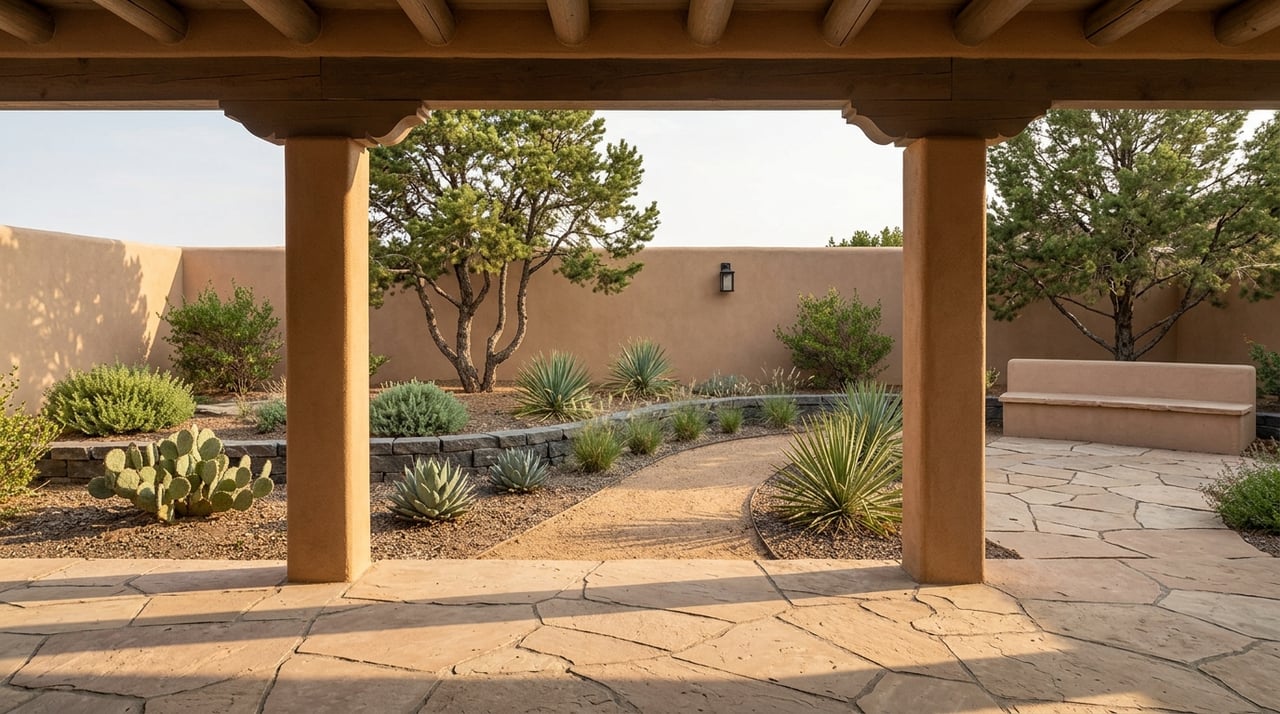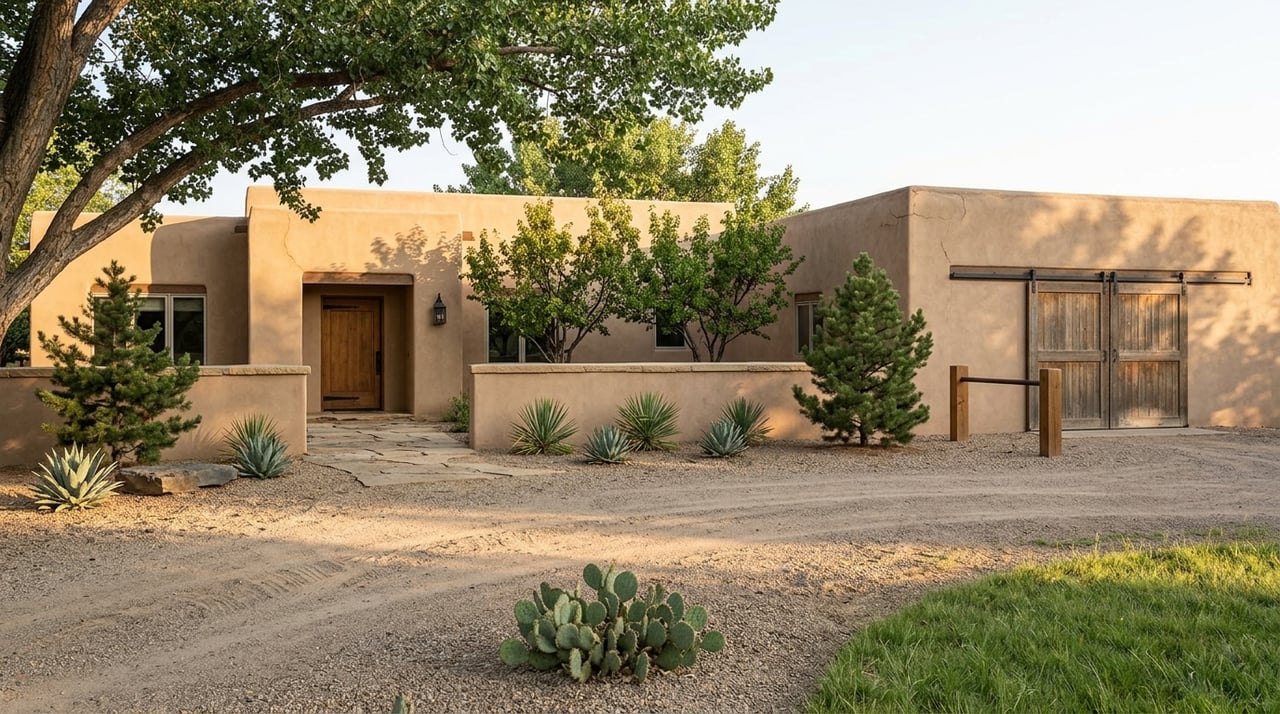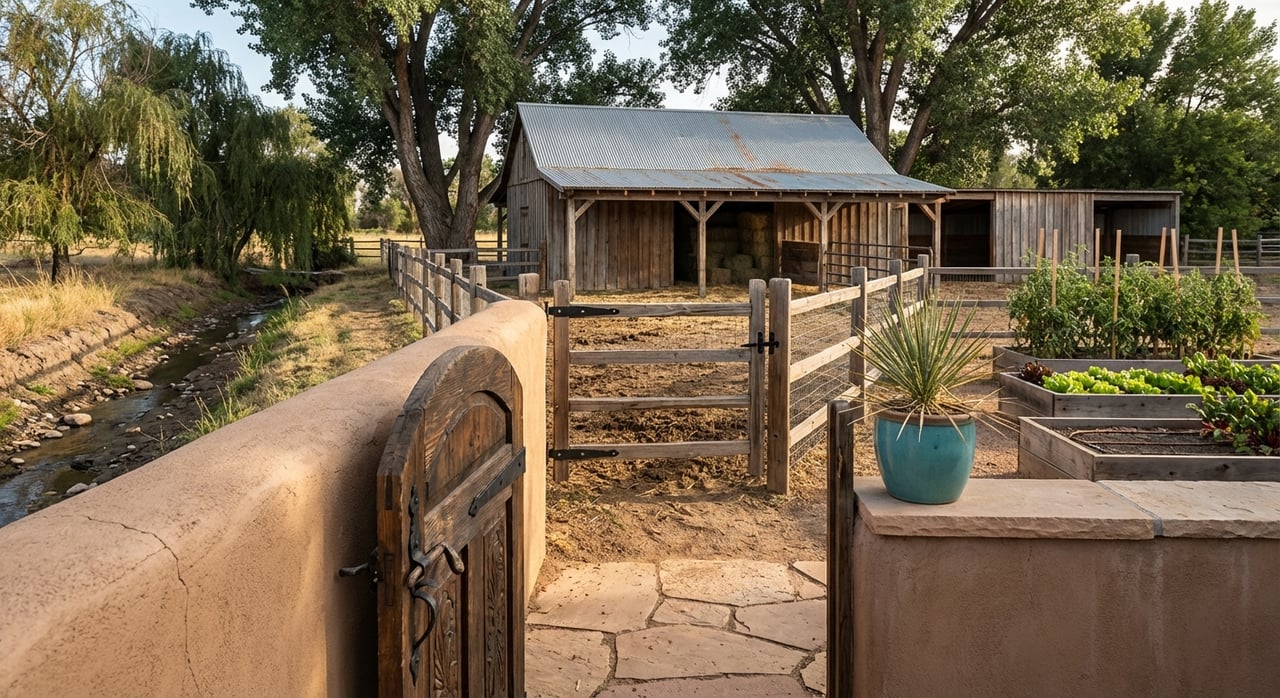
Do you dream of morning rides along the bosque and evenings watering a small orchard or garden, all without giving up city access? If so, Corrales and Los Ranchos may be a great fit. Both villages offer space, irrigation traditions, and a rural rhythm that attracts horse owners and hobby farmers. In this guide, you’ll learn what to expect on lot sizes, wells and acequias, zoning and permits, upkeep, and smart due diligence. Let’s dive in.
Why these villages stand out
Both Corrales and the Village of Los Ranchos sit along the Rio Grande and intentionally protect a rural, agricultural character within the Albuquerque metro area. Corrales planning documents emphasize low density and self-supplied water as a way to preserve that feel, while Los Ranchos’ 2035 Master Plan highlights agrarian zones and open lands set aside for agriculture and nature. You get room for horses or gardens along with proximity to everyday services and commuting.
- Corrales prioritizes one-dwelling-per-acre patterns in many areas served by wells and septic. The village’s water guidance explains how this supports groundwater and rural character. You can review the village’s overview on wells and wastewater on the Water in Corrales page.
- Los Ranchos identifies A-1 and agrarian areas in its master plan, which support larger lots and agricultural uses. That plan helps set expectations around lot sizes and land-use priorities.
Lot sizes and common features
Acreage and layouts
- Corrales: You will often see 1 to 5 acre parcels for horse and hobby properties. The village’s approach to density and reliance on private wells and septic support this format. Review the practical water and density context on the village’s Water in Corrales resource.
- Los Ranchos: Expect a mix of 1 acre or larger lots in agricultural zones identified in the 2035 Master Plan. Parcels vary, and some tracts support small pastures, gardens, and outbuildings.
Outbuildings, paddocks, and fencing
Many properties feature barns, loafing sheds, hay storage, tack rooms, and arenas or round pens. If you plan to add or modify structures, check local permitting early. In Los Ranchos, Planning and Zoning can guide you through building, fencing, and other permit steps. Confirm setbacks and any special approvals before you build or expand.
Soil and garden potential
These villages lie in the Rio Grande valley, with alluvial soils that can serve gardens and small orchards when managed well. For practical tips on watering, raised beds, and crop selection in New Mexico conditions, the NMSU Cooperative Extension’s Home Vegetable Gardening guide is a strong starting point.
Water, wells, and acequias
Wells and potable supply
Corrales does not operate a municipal water system. Most homes rely on private domestic wells, and a small STEP sewer corridor along Corrales Road handles wastewater for a limited area. Always verify a property’s well record, pump test, and water quality. The village recommends checking Office of the State Engineer records. Start with the village’s Water in Corrales guidance to understand local well practices and documentation.
Acequias and surface irrigation
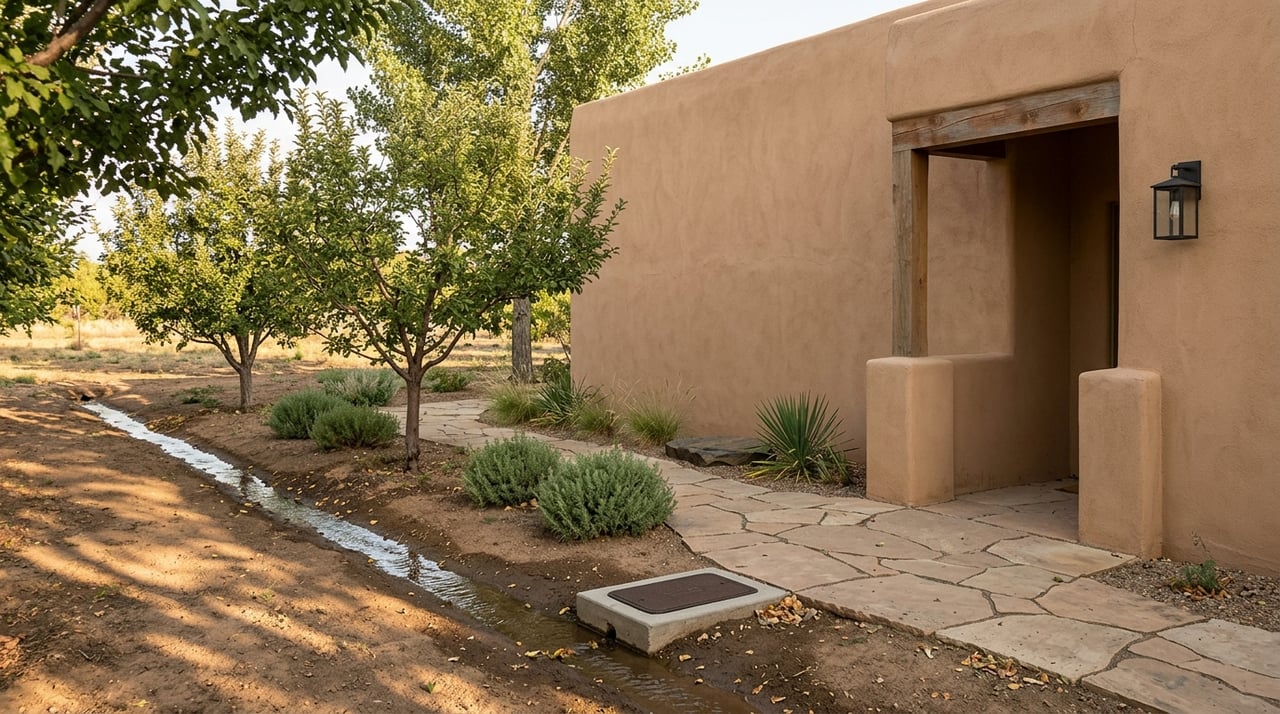
Acequias are both irrigation ditches and community institutions. If a property has acequia access, you may get affordable surface water for gardens or pasture, along with recurring obligations. Members, called parciantes, typically participate in spring cleaning, pay assessments, and follow local allocation rules. Even if you do not hold water rights, a ditch crossing your land likely carries easements and maintenance access. Review the Acequia Governance Handbook for a clear overview of roles and responsibilities.
The MRGCD’s role
The Middle Rio Grande Conservancy District operates major irrigation infrastructure throughout the valley. MRGCD projects and scheduling can influence when and how water moves to local ditches. Infrastructure work like the Corrales siphon is an example of ongoing system maintenance that can affect local delivery windows. Check MRGCD resources for system context and project updates.
Utilities, density, and permits
Corrales quick basics
- Water and sewer: Private wells are typical. A small STEP corridor along Corrales Road conveys effluent to the regional system. Outside that area, most parcels rely on septic. See Water in Corrales for practical details.
- Density and lot sizes: The village manages groundwater and septic realities by limiting many areas to one dwelling per acre. This helps preserve larger lot patterns favored by horse and hobby properties.
- Sewer planning: The village has pursued design funding for a future, phased sewer plan. Recent council action approved funding for a sewer design grant. This is a multi-year planning effort. Do not assume near-term, village-wide sewer service.
Los Ranchos zoning and permits
Los Ranchos protects agricultural character through its 2035 Master Plan and zoning maps. If you plan to keep horses, add an arena, or consider limited agricultural activity, contact the village’s Planning and Zoning office early to confirm allowable uses, animal counts, and any special approvals.
Equestrian access and open space
Riders prize proximity to the Rio Grande and the Corrales Bosque trails. The Village of Corrales highlights local trail and open space amenities that support outdoor life. Los Ranchos supports agricultural programming and community education through its planning and ag resources. When touring properties, ask how you would trailer to trailheads or reach lateral paths from the home.
Ownership realities and ongoing costs
Owning a horse or hobby property in Corrales or Los Ranchos means planning time and budget for regular care.
- Acequia duties: Expect annual ditch cleaning or dues, plus easement access for ditch crews when maintenance is scheduled. The Acequia Governance Handbook outlines typical member roles and responsibilities.
- Wells and pumps: Track well performance, test water periodically, and budget for pump repair or replacement over time. Lenders and appraisers often request well logs and flow tests. The Water in Corrales page explains how to locate and verify records.
- Septic vs. sewer: In Corrales, most parcels remain on septic. Plan for inspections and pumping. Only a limited corridor uses STEP today, and broader sewer buildout is a long-term planning topic.
- Pasture, fencing, and feed: Fences, corrals, and loafing sheds require periodic maintenance. Expect seasonal pasture management and supplemental hay, plus routine farrier and veterinary care.
- Flood and drainage: Some areas of Corrales have dealt with historic stormwater issues. Review FEMA mapping and recent projects like the Salce Basin improvements to understand local drainage context.
- Fire and bosque management: If your property borders the bosque or has brushy areas, plan for defensible space and follow village fire and open-space guidance.
Due diligence checklist
Use this short list to evaluate any horse or hobby parcel.
- Confirm potable water. Get the well log, a recent pump test, water quality results, and any related permits. If acequia irrigation is claimed, verify the specific ditch, whether the parcel is a parciante, and written bylaws or assessments. The Village’s Water in Corrales resource is a good starting point for well and rights questions.
- Confirm wastewater. Is the property on septic, or within a STEP corridor? Ask about current sewer plans and whether future phases could apply to the area. The Water in Corrales page summarizes today’s systems, and the sewer design funding report provides planning context.
- Check zoning and permits. Confirm the zone and whether your intended uses, from barns to arenas or small-scale agriculture, require permits or hearings. Contact Los Ranchos Planning and Zoning for process guidance if you are shopping there.
- Map acequia easements. If a ditch crosses or borders the lot, request a map or recorded easement and check for any unpaid assessments. The Acequia Governance Handbook explains common easement practices.
- Review flood and soils. Look at FEMA flood maps and local drainage projects such as the Salce Basin work. Soil conditions matter for arena footing, pasture drainage, and septic suitability.
- Inspect fences and outbuildings. Verify setbacks, structural condition, and any permit history for large structures. Address safety hazards before you move animals.
- Price out local services. Identify large-animal vets, farriers, hay suppliers, and equipment rental. Ask about winter hay delivery and storage needs based on your site’s access and exposure.
Quick compare: villages vs city services
- Space and uses: Corrales and Los Ranchos favor larger lots and agricultural uses. Many Albuquerque neighborhoods allow smaller lots under city rules, which support more compact urban living.
- Water and sewer: Corrales relies on private wells and septic across most of the village, with a limited STEP corridor. City neighborhoods generally have municipal water and sewer. Los Ranchos has its own permit pathways and village services, and some properties also rely on wells and acequias.
Your next step
If you want horses at home, room for a garden, or the feel of a small orchard near the city, these villages deliver. The key is to verify water and irrigation, understand permit pathways, and budget for routine care. A clear plan during offer and inspection will set you up for success.
Ready to explore available horse and hobby properties in Corrales and Los Ranchos, or want help pressure-testing a specific address? Connect with the team at Origins Realty Group for calm, knowledgeable guidance and a concierge experience from search to closing.
FAQs
What makes Corrales and Los Ranchos good for horses?
- Both villages preserve a rural, agricultural character with larger lots and access to trails and open space, which support paddocks, barns, and small pastures.
How do acequias work for a hobby property?
- An acequia provides surface irrigation but also brings membership duties such as cleaning and assessments, plus easement access for maintenance. Rules are set locally.
Do Corrales homes have city water and sewer?
- Corrales does not operate a municipal water system. Most homes rely on private wells and septic, with a limited STEP sewer corridor along Corrales Road.
What permits are needed for barns or arenas in Los Ranchos?
- Los Ranchos requires permits through Planning and Zoning. Contact the village early to confirm allowable uses, setbacks, and any special approvals for your plan.
Are there flooding or drainage issues I should check?
- Review FEMA mapping and local projects such as the Salce Basin improvements, and ask about site drainage history. Soil and grading can affect arenas and paddocks.
Who manages irrigation infrastructure in the valley?
- The Middle Rio Grande Conservancy District operates major conveyance systems and projects that influence delivery to local ditches, including work like the Corrales siphon.