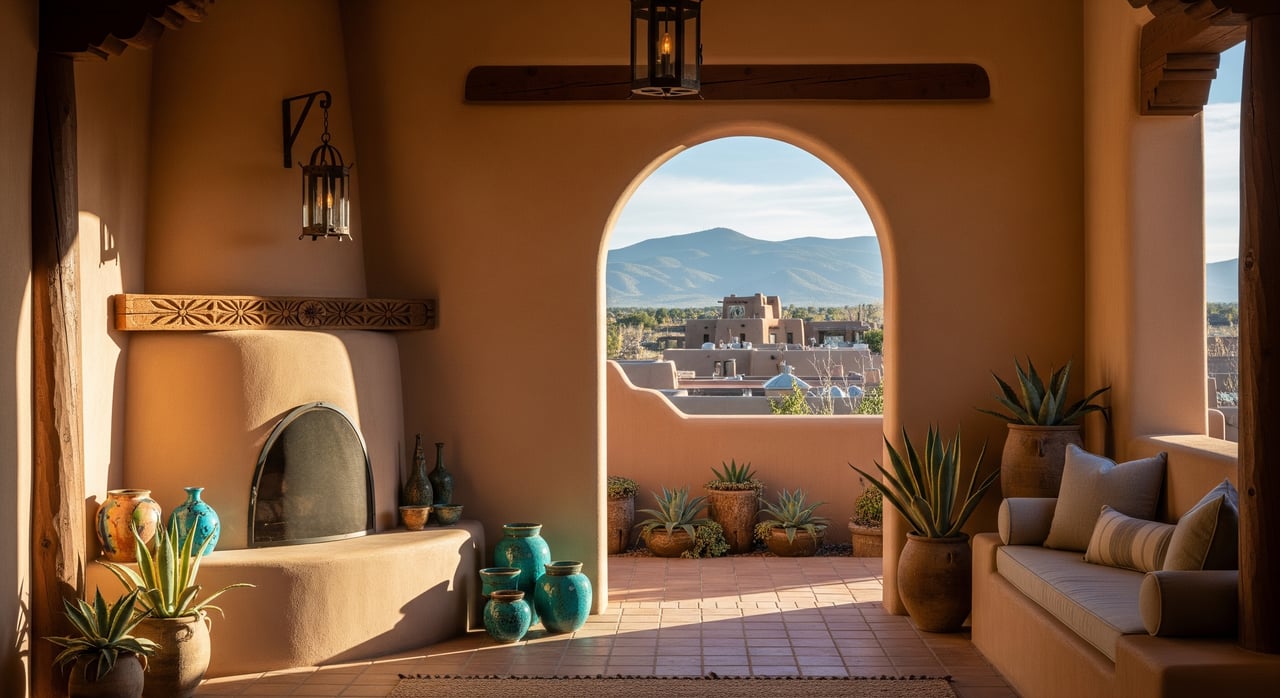
What would it feel like to live steps from the Plaza, where café mornings blend into gallery strolls and sunset concerts at the Railyard? If you’re curious about downtown Santa Fe living, you’re not alone. Many buyers love the walkable streets, adobe architecture, and year-round arts scene but want a clear picture of housing options and day-to-day life. In this guide, you’ll learn how downtown works, what types of homes you’ll find, and the practical details that shape ownership and renovations. Let’s dive in.
Downtown Santa Fe at a glance
Santa Fe’s historic core centers on the Plaza and extends to Canyon Road, the Railyard, and Museum Hill. You’ll see Pueblo and Spanish Revival influences, low-slung rooflines, and adobe textures that define the city’s identity. Local shops and galleries anchor street life, and cultural events fill the calendar through summer, fall, and the holidays.
Tourism brings energy and seasonal foot traffic. That activity supports a strong small-business scene and frequent events. It also means streets can be lively and parking tighter at peak times. If you enjoy an urban village feel, this core is where you feel it most.
Everyday life and walkability
What you can walk to
From most downtown addresses, you can stroll to the Santa Fe Plaza, Canyon Road galleries, the Georgia O’Keeffe Museum, and the Railyard Park and Farmers Market. Museum Hill sits a bit farther but is still a reasonable outing. Regular festivals and pop-up performances keep the area active and fun to explore.
Groceries and daily errands
You can handle many daily needs within the core, thanks to cafés, markets, pharmacies, and services. For larger grocery runs or specialty shopping, you’ll likely take a short drive elsewhere in the metro. Plan for a hybrid routine where errands alternate between a quick walk and a quick drive.
Parking and getting around
Narrow streets and pedestrian-friendly blocks make walking efficient. That same charm can mean limited parking near the Plaza, especially during events. Some homes lack private off-street parking, so it’s smart to verify driveway or permit details when you tour properties.
Getting around town and beyond
The city operates Santa Fe Trails local bus routes. Coverage is solid for a small city, though frequency is lighter than in larger metros. Many downtown residents pair walking with occasional bus rides, rideshare, or biking.
For regional trips, the New Mexico Rail Runner Express links Santa Fe with Albuquerque via stations near the South Capitol and Santa Fe Depot areas. The line is a practical option for some commuters and day trips. I-25 provides direct driving access to Albuquerque and points north and south.
Housing near the Plaza
Historic adobe homes
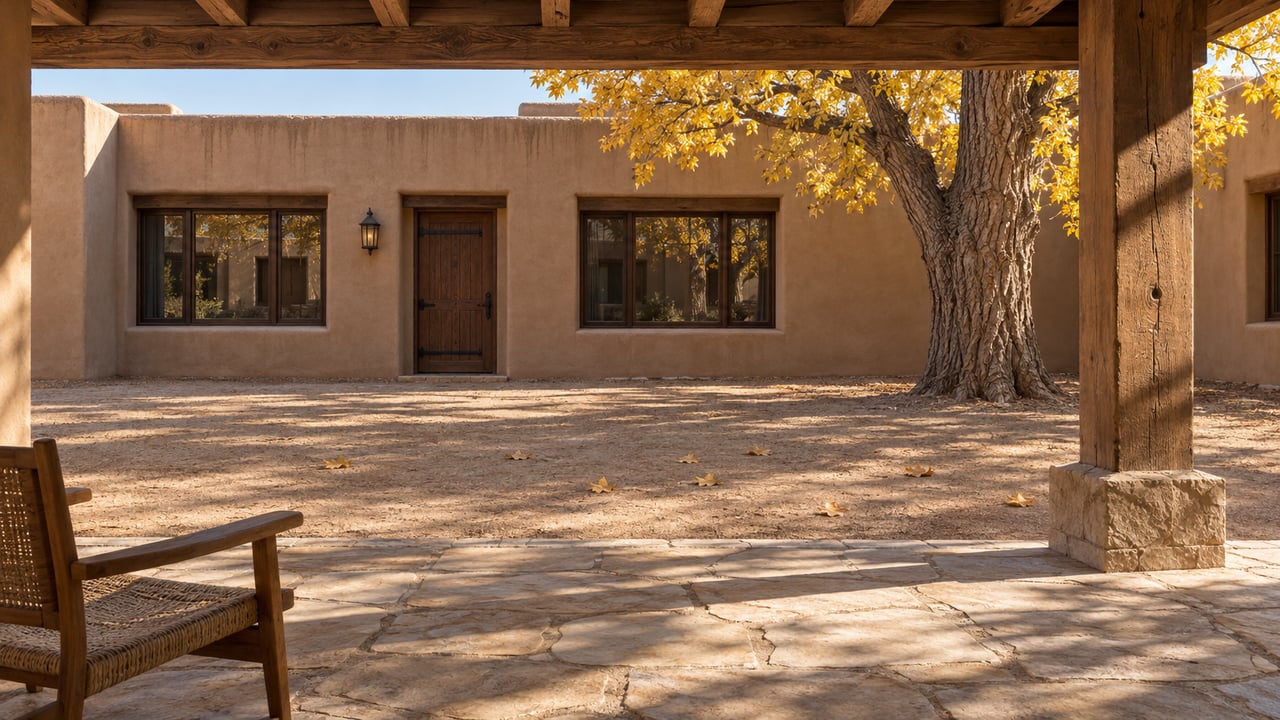
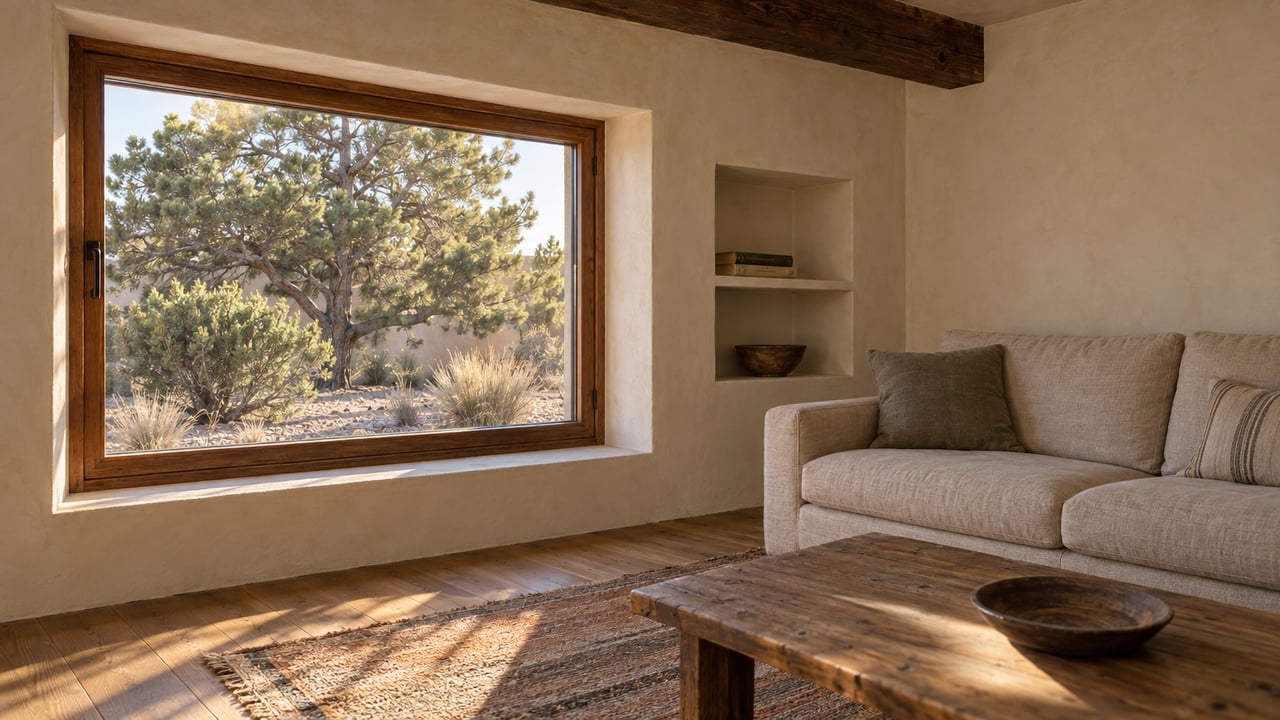
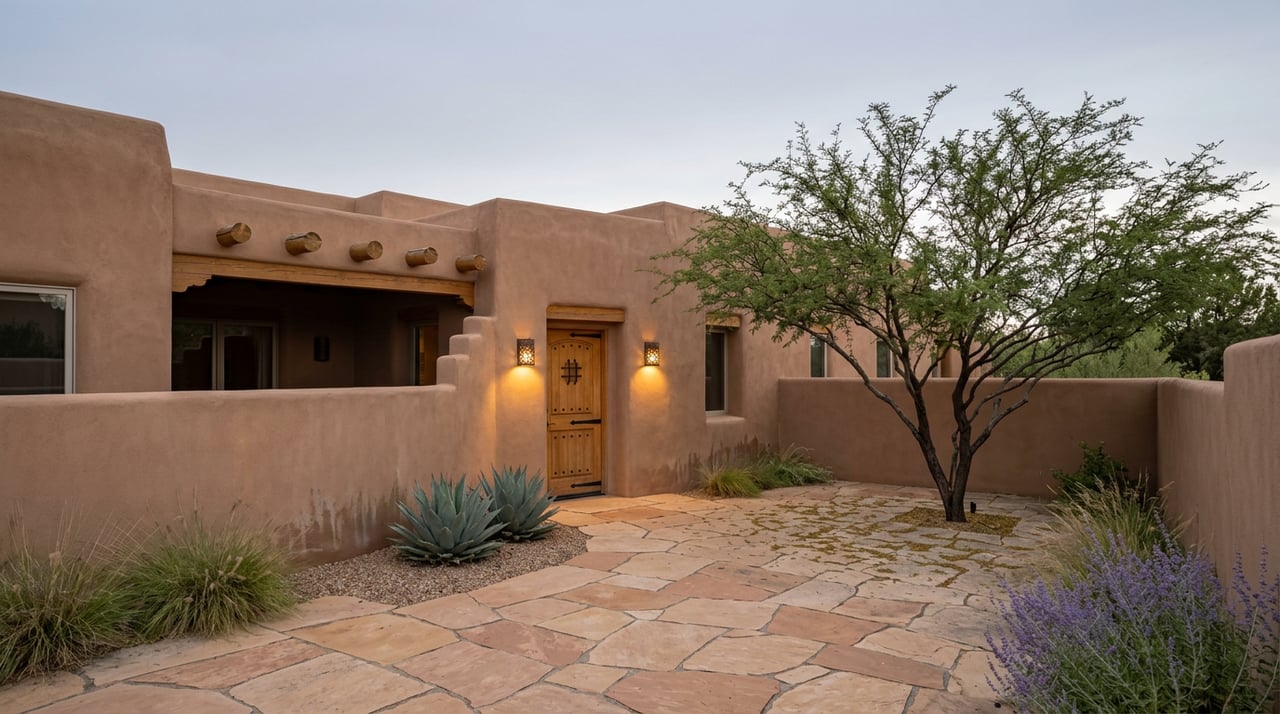
Single-family adobes are part of what makes Santa Fe feel like Santa Fe. Expect thick walls, traditional details, and private courtyards. Many are single-story and reflect Pueblo or Territorial Revival styles that preserve the area’s scale and look.
Condos, townhomes, and lofts
Closer to the Railyard and along select corridors, you’ll find condos and townhomes ranging from modest units to higher-end properties. Adaptive reuse of older buildings has also created some loft-style homes. These options can bring lower exterior maintenance and shared amenities under an HOA.
Courtyard homes and casitas
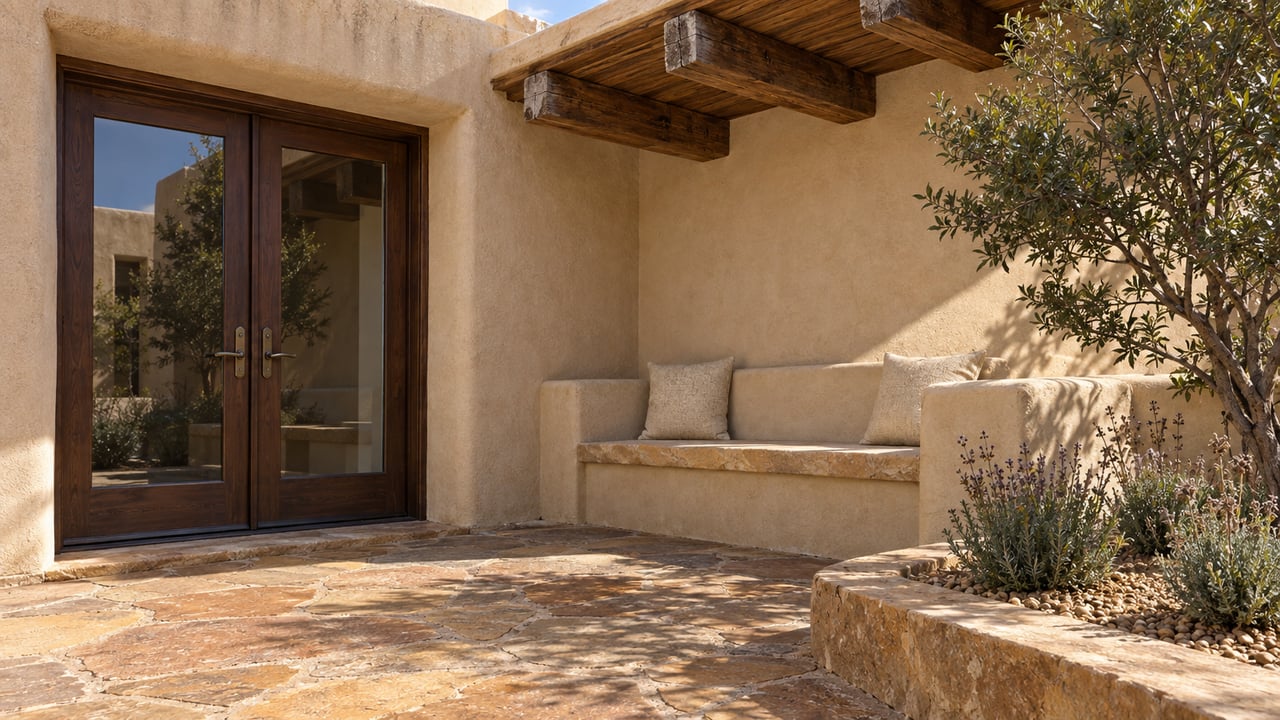
Courtyard layouts and small casitas are common in the historic core. They emphasize indoor-outdoor living and privacy behind garden walls. These homes often appeal if you want a quiet retreat steps from restaurants and galleries.
New infill and adaptive reuse
New construction is limited downtown due to design review and height limits. Where it exists, infill tends to be smaller in scale to match historic context. You will also see creative adaptive reuse that blends contemporary comforts with original materials.
Ownership, HOAs, and rentals
Downtown includes a mix of fee-simple single-family homes and condominiums. Condo buildings typically include HOA fees that cover exterior maintenance and common areas. If you prefer a lock-and-leave lifestyle, shared maintenance can be a plus. If you want full control over every improvement, fee-simple may fit better.
Short-term rentals are regulated. The City of Santa Fe requires permits or registrations for STRs and has tightened enforcement in recent years. If rental income matters to your plan, review current rules with the City of Santa Fe Planning and Land Use and confirm a property’s eligibility before you buy.
Preservation rules and permits
What changes need approval
Santa Fe has long-standing historic districts, design guidelines, and review boards that protect the city’s character. Exterior materials, massing, rooflines, and colors are regulated in many parts of the downtown core. Renovations and additions often require permits and review; interior updates are typically easier but still need proper building permits for structural or systems work.
Renovation timelines and costs
Thoughtful updates are very possible, but timelines can be longer due to design review and specialized trades. Adobe construction and traditional finishes may require contractors with specific skills. Plan for early consultations and allow time for approvals, especially for exterior-visible changes.
If you need the latest rules or submittal steps, start with the City of Santa Fe Planning and Land Use. A clear roadmap up front helps you set realistic schedules and budgets.
Climate, utilities, and risk
Santa Fe sits at about 7,000 feet. You’ll notice crisp air, strong sun, and cooler nights. Hydration and sun protection matter at this elevation, and energy needs often focus on efficient heating in winter.
Water conservation is a city priority. Xeriscaping, drip irrigation, and drought-conscious landscaping are common practices. If you love gardening, consider native and water-wise plantings and check local programs that encourage conservation.
Wildfire risk is part of the regional landscape, especially near foothills and forested areas. Insurance availability and premiums can vary, so it’s smart to check coverage early in your search. Flood risk is generally lower in the core, but it depends on a property’s exact location. Before you go under contract, review the FEMA Flood Map Service Center and local drainage details for parcels near arroyos or the Santa Fe River.
Utilities in the core are typically municipal water and sewer. Older buildings may have legacy plumbing or electrical systems that need upgrades. Broadband is generally good downtown, and fiber availability can vary by block, so verify service at the address if high-speed connectivity is essential.
Pros and tradeoffs
Pros
- Strong arts and culture with walkable access to galleries, museums, and events.
- Distinct architecture and sense of place, centering on adobe and courtyard living.
- Lower reliance on the car for errands and dining, plus regional rail access.
Tradeoffs
- Higher purchase premiums for historic ambiance and proximity to the Plaza.
- Parking constraints and seasonal tourist activity that can affect street access.
- Renovation and exterior changes that require careful permitting and planning.
Who thrives downtown
If you value a pedestrian lifestyle, easy access to arts and dining, and the authenticity of historic architecture, the downtown core fits well. You can live small and central, then expand your world through parks, galleries, and events. If you prioritize larger yards, big garages, or simpler renovation paths, neighborhoods outside the core may offer more flexibility.
How to start your search
- Clarify your housing type. Decide whether a condo with HOA maintenance, a historic adobe, or a courtyard casita best supports your lifestyle.
- Define parking needs. Confirm whether you need off-street parking, a garage, or can rely on on-street options.
- Budget for carrying costs. Factor in HOA dues for condos, potential assessments for historic-sensitive work, and insurance variations.
- Pre-check permitting. If you plan to remodel, review historic guidelines and timelines early with the city.
- Verify utilities and internet. Ask about electrical and plumbing updates and confirm broadband at the address.
- Evaluate risk. Review wildfire coverage with your insurer and check flood maps if you are near drainage corridors.
- Test the routine. Walk the block morning and evening, visit during an event, and time your grocery run to see how your day-to-day might feel.
If you want a calm, expert partner to navigate these steps, our team brings both local knowledge and construction-savvy guidance to your search. From first walk-through to final permit, you’ll have a clear plan and responsive support.
Ready to explore downtown options with a trusted local advisor? Connect with Origins Realty Group for concierge-level guidance tailored to your goals.
FAQs
Is downtown Santa Fe walkable for daily life?
- Yes. You can walk to the Plaza, the Railyard, Canyon Road galleries, and many daily services. Larger shopping trips usually require a short drive.
What home types are common near the Plaza?
- You’ll find historic adobe single-family homes, courtyard homes and casitas, condos and townhomes, plus some loft-style units in adaptive reuse projects.
How strict are historic-preservation rules in the core?
- Expect thorough review for exterior changes in designated districts. Materials, colors, massing, and additions typically need permits and approvals.
What is parking like for residents near the Plaza?
- Parking can be limited in the core, especially during events. Some homes lack off-street parking, so confirm driveway or permit details for each property.
Can I operate a short-term rental downtown?
- Possibly, but permits or registrations are required and enforcement has tightened. Review current rules with the City before you buy.
How do I commute between Santa Fe and Albuquerque?
- Drive via I-25 or ride the New Mexico Rail Runner Express. Travel times vary with traffic and your exact start and end points.
What about wildfire or flood insurance near downtown?
- Wildfire risk can affect availability and premiums, so check coverage early. For flood considerations, consult the FEMA Flood Map Service Center for parcel-specific details.
Can I modernize an adobe home in a historic district?
- Interior upgrades are typically feasible. Exterior-visible changes face more rules, so plan with specialized contractors and confirm permits in advance.
Are condos or single-family homes more common downtown?
- Both exist, with a higher share of condos, townhomes, and courtyard homes than in outlying areas. Single-family adobes remain a key part of the mix.