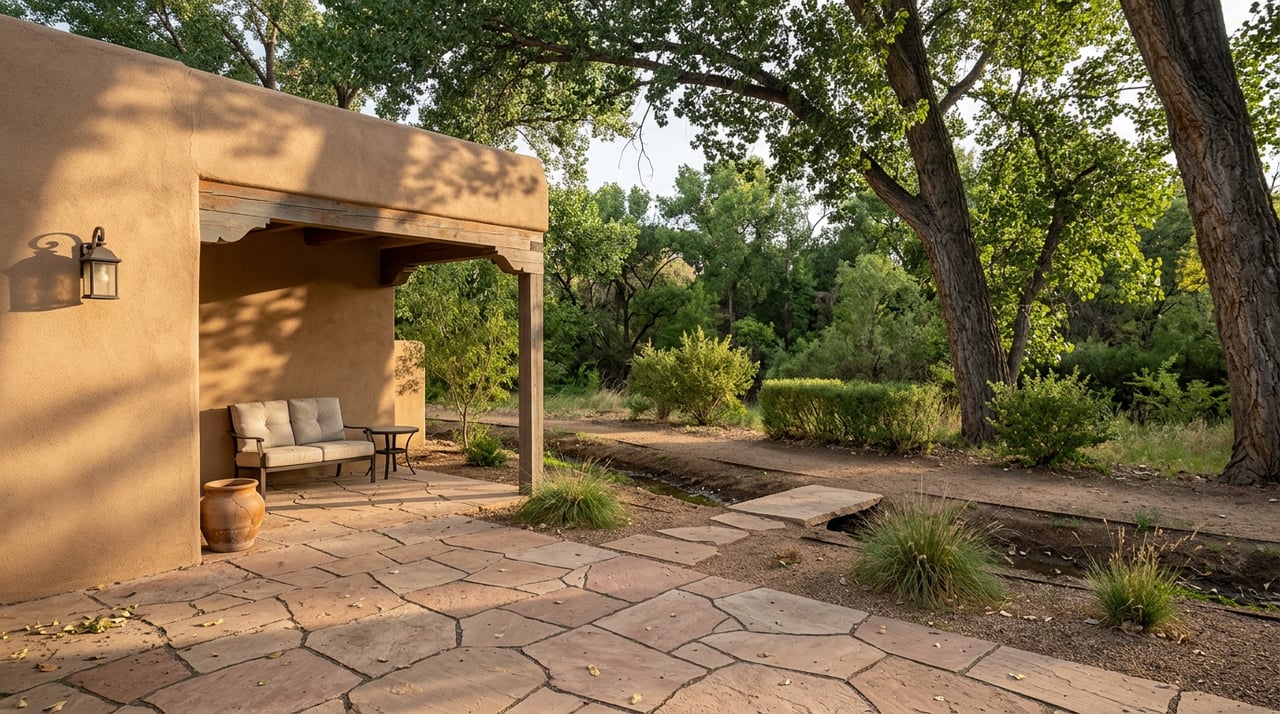
Imagine stepping out your front door to a ribbon of shade, birdsong, and the soft crunch of cottonwood leaves underfoot. Living near Albuquerque’s bosque puts the Rio Grande’s riparian forest and the city’s most beloved multi-use trail right in your daily routine. If you are curious about what river-adjacent life actually feels like and how to shop smart for a home near the water, this guide is for you. You will learn where residents go, what to expect in each season, how the river is managed, and the key checks to make before you buy. Let’s dive in.
What the bosque is
In Albuquerque, the “bosque” is the narrow cottonwood forest that lines the Rio Grande. It is part forest, part wetlands, part sandy riverbank, and it defines the city’s central green corridor. Most of this area is managed as the Rio Grande Valley State Park, the open-space system that protects the river’s edge and provides trails, overlooks, and habitat. You can get a quick overview of stewardship and projects by visiting the City’s page for the Rio Grande Valley State Park.
Think of the bosque as Albuquerque’s backyard. You get cool mornings under big trees, quiet side paths for dog walks in permitted areas, and quick access to a paved route that connects parks, cultural sites, and neighborhoods.
Trails and daily access
Paseo del Bosque in your routine
The Paseo del Bosque is the city’s signature paved path, stretching roughly 16 miles from Alameda to Rio Bravo. It threads through the Rio Grande Valley State Park and ties into places like Tingley Beach, the BioPark, and the National Hispanic Cultural Center. Many neighbors use it for bike commutes, morning runs, and relaxed weekend rides. For current access points, etiquette, and notes on limited restroom facilities, review the City’s Paseo del Bosque Trail guide.
Where you step into it
One of the joys of river living is how many neighborhood connections lead into the bosque. On both banks, small access points and parking areas make it easy to be on the trail within minutes. When you tour homes, it helps to map out a 5-, 10-, and 15-minute walk or bike to the nearest entry. That is the difference between a weekly outing and an every-morning habit.
Rio Grande Nature Center moments
The Rio Grande Nature Center State Park is the main interpretive hub on the west side of the river near the North Valley. It is compact, at about 38 acres, but remarkably biodiverse, with roughly 300 bird species recorded. Families love the short loops and viewing blinds, and birders flock here for winter waterfowl and seasonal crane flyovers. If you want a feel for the grounds, the park’s self-guided overview is a helpful snapshot of trails and habitat from the Friends of the RGNC.
Seasons along the river
Spring: green canopy and songbirds
Spring brings a surge of life to the bosque. Cottonwoods leaf out in bright green, insects emerge, and migratory songbirds arrive. For those who love the science behind the seasons, the long-running Bosque Ecosystem Monitoring Program tracks local phenology and ecosystem trends in this corridor. You can explore their work through the BEMP program overview.
Summer: monsoon rhythm and evening shade
From July to September, afternoon thunderstorms are common. You often get a quick downpour, cooler air, and lush scents from wet cottonwood duff. This is also when mosquitoes can pick up around standing water, so plan evening patio time with repellents and fans when needed. For a sense of typical patterns and advisories, check the National Weather Service office in Albuquerque.
Fall and winter: cranes, light, and quiet
By mid-September, sandhill cranes begin to arrive, and many stay through late winter. The bosque gets a calmer feel, with low sun through bare branches, crisp air, and excellent raptor and waterfowl viewing. If you love wildlife watching, this is a signature season along the Rio Grande.
Water, management, and what it means for you
The river and its forest are actively managed by a patchwork of agencies. The City’s Open Space division oversees much of the Rio Grande Valley State Park. New Mexico State Parks manages the Rio Grande Nature Center in partnership with the City. The Middle Rio Grande Conservancy District (MRGCD) handles irrigation delivery and some bosque parcels, while the U.S. Army Corps of Engineers and federal partners plan levee and flood projects. If your property borders the bosque, knowing who manages the adjoining land matters for access, maintenance, and future projects. For irrigation and drainage questions, start with the Middle Rio Grande Conservancy District.
It is also important to know that flows here are variable. Drought years have brought very low water and, in some stretches, even dry riverbed conditions for periods of time near Albuquerque. That variability changes the look and feel of the river and the timing of wildlife use. For context, recent reporting has documented dry reaches during 2022 and 2023, a reminder that year-to-year conditions can shift. You can read a concise summary of those low-flow years in this AP News report.
Finally, expect occasional trail closures or visual changes where forest-health projects are underway. The City has implemented thinning and invasive plant removal to reduce wildfire risk and improve habitat in targeted units. For updates on stewardship and park conditions, see the City’s Rio Grande Valley State Park page before you head out.
Neighborhood snapshots near the bosque
North Valley and Los Ranchos feel
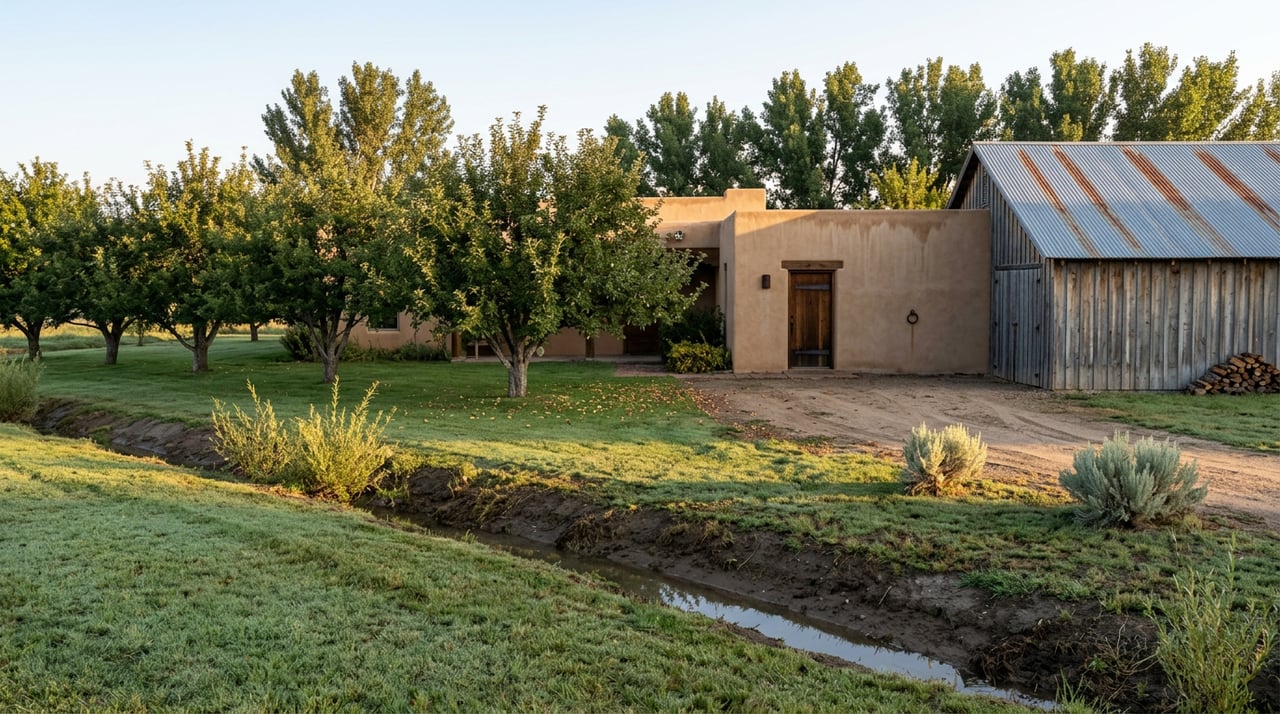
On the east bank near the North Valley and the Village of Los Ranchos, you will find a blend of older farm properties, orchards, and newer infill tucked among acequias and tree-lined lanes. Many homes sit within a few minutes of bosque access, and the area’s layout encourages quiet rides or walks to the trail. It is a good choice if you want a more pastoral setting within the city grid.
Near Old Town, Barelas, and the South Valley
Around Old Town and Barelas, you are close to cultural hubs and attractions with short, direct routes to the paved path. South of downtown, the South Valley offers quick trail access along with open views over the river corridor. The feel is classic Albuquerque, with mature trees and easy outings to Tingley Beach, the BioPark, and neighborhood overlooks.
West Side pockets
On the West Mesa, several subdivisions promote proximity to the river corridor. In many cases you will drive or bike a few minutes to a formal access point rather than backing directly to Open Space. When you tour, time your trip to the nearest trailhead and think about what that means for your daily routine.
How Corrales compares
If you want a more explicitly rural profile with larger lots and agricultural character, the Village of Corrales has long emphasized preservation of its village feel and open lands. Village planning documents note one-acre minimums in key residential zones and detail how the Corrales Bosque Preserve is managed for habitat and public use. For a deeper look at policies and rural protections, review the Village’s planning reference materials.
Buyer checklist for river-adjacent homes
Before you write an offer, use this quick checklist to verify the practical details that shape life near the bosque.
- Confirm what your backyard borders. Is it City Open Space, MRGCD land, state park, refuge, or private property? Ownership affects fencing, privacy, and who maintains adjacent trees and paths. The MRGCD site is a good starting point for irrigation and right-of-way questions.
- Look up flood status early. Check the FEMA Flood Map Service Center to see if the property lies in a Special Flood Hazard Area and how that could affect insurance and building rules. Start your search at the FEMA Map Service Center.
- Ask about levee or flood-control projects. The U.S. Army Corps of Engineers has active design work for the Middle Rio Grande. Construction can change local access or views for a time. You can learn more about the project background from the USACE Albuquerque District update.
- Verify utilities. Confirm whether the home is on city water and sewer or relies on a private well and septic. This affects maintenance and future plans.
- Clarify irrigation and assessments. If the parcel is within an irrigation district or ties into an acequia, determine water rights, assessments, and delivery schedules. Drought-year notices come from MRGCD.
- Plan for cottonwood care. Mature trees are beautiful, but they shed leaves and cotton and may need periodic pruning. Ask for any recent arborist reports or maintenance records.
- Consider seasonal nuisances. During monsoon season, mosquitoes can rise around standing water. Ask about patio conditions, dust on windy days, and trail traffic near popular access points.
- Map your daily access. Time the walk, bike, or drive to the nearest access point on the Paseo del Bosque. Translate that to your morning or evening routine.
- Check for upcoming stewardship work. Thinning, restoration, or channel work can temporarily close trails or change views. City Open Space and MRGCD post updates before projects begin.
How to make the most of bosque life
- Treat the paved path as your main street. A short morning ride or walk sets the tone for the day.
- Keep a simple gear bin by the door. Sun hat, water bottle, a small pack, and a lightweight jacket make spontaneous outings easy.
- Learn trail etiquette. The route is shared by cyclists, runners, walkers, and equestrians in certain areas. A little courtesy goes a long way.
- Follow seasonal cues. In summer, aim for early or late excursions. In winter, carry binoculars to enjoy raptors and waterfowl.
If living close to the river is part of your New Mexico dream, you deserve clear guidance that balances lifestyle and due diligence. Our team understands the nuances of flood maps, irrigation districts, and neighborhood feel, and we can help you find the right fit near the bosque or in a nearby village setting. When you are ready, reach out to Origins Realty Group to talk through options and next steps.
FAQs
How long is the Paseo del Bosque trail in Albuquerque?
- The paved Paseo del Bosque runs roughly 16 miles through the Rio Grande corridor, connecting multiple access points and parks across the city.
What is the day-to-day feel of living near the Albuquerque bosque?
- You get shaded paths, quick access to a paved multi-use trail, frequent wildlife sightings, and a calm, green corridor in the middle of the city.
Will the Rio Grande always have visible flow in Albuquerque?
- No, flows are managed and can be very low during drought years, which may change how the river looks and how wildlife uses the corridor season to season.
Do homes by the bosque require flood insurance?
- It depends on the FEMA flood zone and your lender’s requirements; look up the address on the FEMA Map Service Center and talk with your insurance and lending teams.
What should I check if my backyard borders the bosque?
- Confirm who manages the adjacent land, review flood status and planned levee projects, ask about tree maintenance and seasonal conditions, and time your route to the nearest access point.