You care about comfort, lower bills, and a home that fits mountain living. In Los Alamos, green-built features can deliver all three when you know what to look for. This guide shows you how to read certifications, spot smart building details, confirm performance with data, and weigh incentives for your budget. You will leave with a clear checklist you can use on any showing. Let’s dive in.
Why Los Alamos homes go green
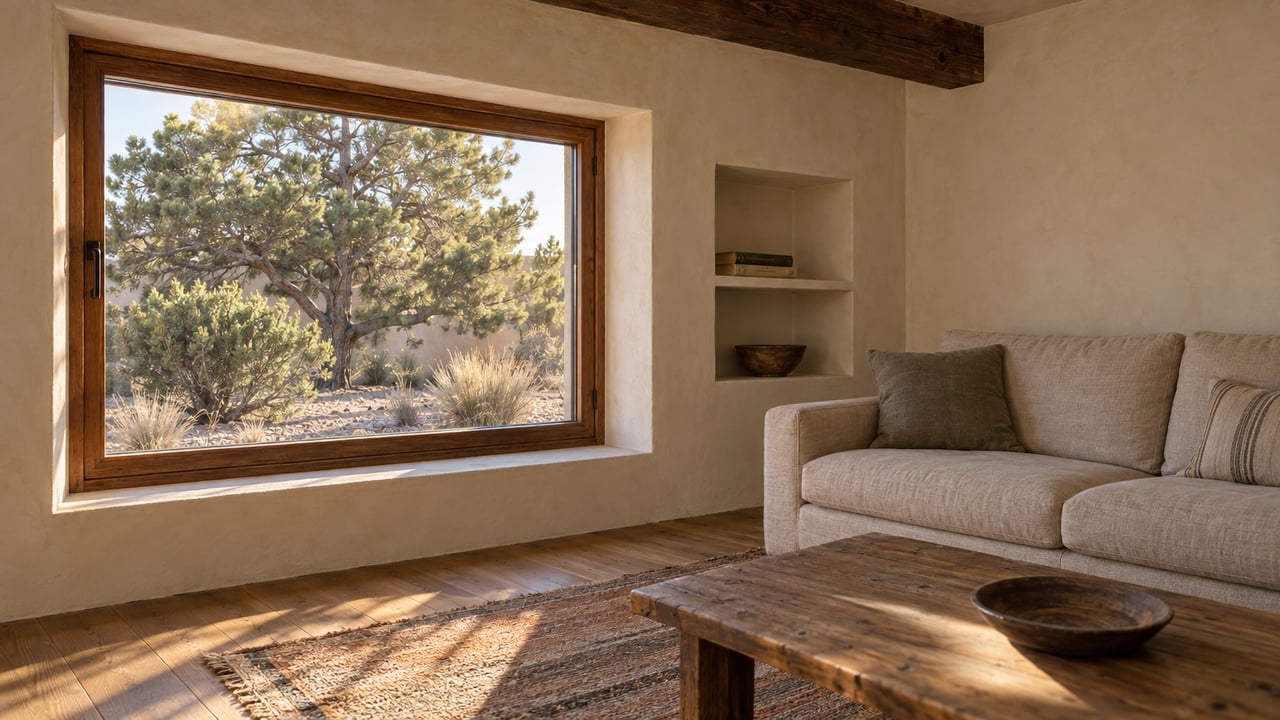
Los Alamos sits in a high-elevation, semi-arid climate with cold winters, cool nights, and sunny days. Space heating is the largest energy load, while abundant sun makes rooftop solar attractive. High day-night temperature swings reward tight air sealing, high-quality insulation, and smart window design.
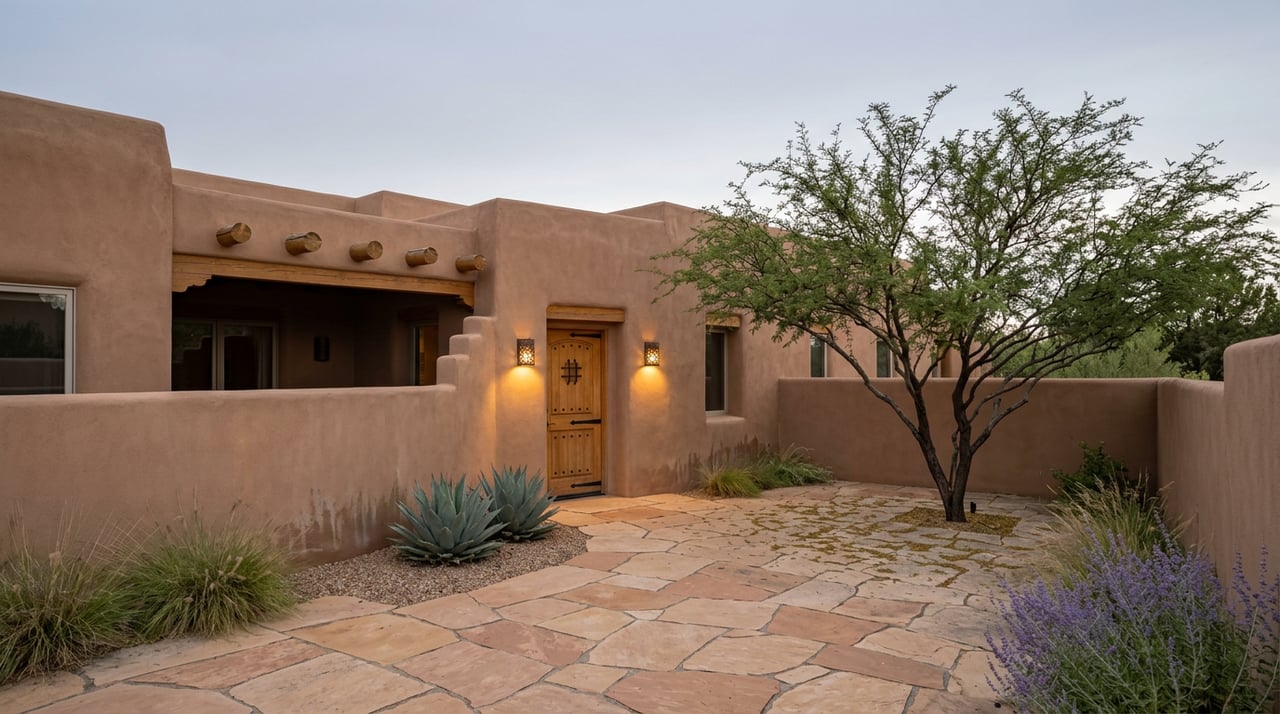
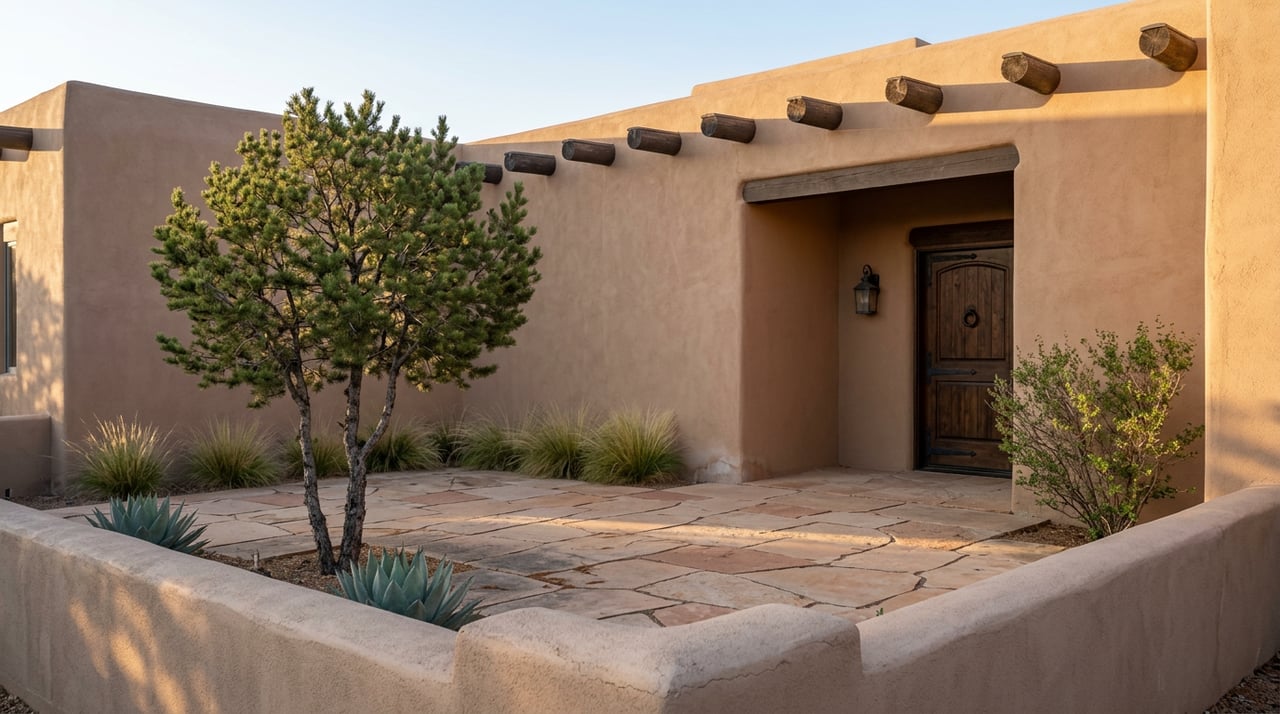
Topography and views shape siting and shading. On sloped lots, exposure affects winter sun and summer heat. Wildfire awareness is part of smart planning, so look for ember-resistant vents, screened soffits, non-combustible roofing, and defensible space. Water-smart landscaping and efficient fixtures also matter in a dry climate.
Certifications buyers should recognize
HERS Index
The HERS Index is a numerical rating of whole-house energy performance. A score of 100 represents a standard reference existing home and 0 represents net-zero energy. Lower is better. A RESNET-certified rater usually performs blower-door and duct testing. Ask for the full HERS report to see modeled energy use and test results. Learn more from the RESNET HERS overview.
ENERGY STAR Certified Homes
ENERGY STAR homes include verified insulation quality, tight air sealing, and efficient HVAC systems. The program requires third-party testing, often including a blower-door test. Ask for the ENERGY STAR certificate and the verifier’s report. Explore the program at ENERGY STAR Certified Homes.
DOE Zero Energy Ready Home (ZERH)
ZERH homes are built with a high-performance envelope and systems, and they are designed to be ready for future net-zero performance, often in tandem with solar PV. Request the certification paperwork and energy model to understand design intent. See details at the DOE Zero Energy Ready Home program.
Passive House and PHIUS
Passive House standards focus on very low heating and cooling loads through exceptional insulation, airtightness, and thermal-bridge control. Certified homes offer notable comfort and low energy use. Ask for the PHIUS or Passive House certificate, energy model, and blower-door results. Learn more at PHIUS.
NGBS and LEED for Homes
NGBS and LEED use points to evaluate energy, water, materials, and site. These labels help when you value broader sustainability beyond energy alone.
Common features in Los Alamos builds
Envelope and windows
Expect thick attic insulation and dense-packed walls in retrofits, with continuous exterior insulation common in new builds. High-performance windows are typically double or triple pane with low-e coatings. Pay attention to U-factor and solar heat gain coefficient so you gain winter sun without overheating in summer. Air sealing is critical here, and tight homes need controlled ventilation with an ERV or HRV to maintain healthy indoor air.
Structure and materials
Advanced framing, SIPs, or ICF can cut thermal bridging and deliver high R-values. These systems require correct detailing and contractor know-how. Many green homes pair durable, low-emissivity finishes with non-combustible roofing to support both efficiency and wildfire resilience.
HVAC and water heating
Cold-climate air-source heat pumps can efficiently serve both heating and cooling in mountain conditions. Verify the unit’s performance at low outdoor temperatures and consider backup heat if needed. Ground-source heat pumps are very efficient but involve higher upfront cost and site-specific installation. Look for ducts inside conditioned space, sealed with mastic and properly insulated. Heat pump water heaters are efficient where electricity is available, while high-efficiency gas or tankless systems may be used depending on fuel access. In tight homes, mechanical ventilation with ERVs or HRVs is a must for air quality.
Solar, batteries, and controls
Los Alamos has a strong solar resource, which supports rooftop PV economics. Check roof orientation, shading, and structural condition before you rely on projected output. Batteries can support backup power and load shifting. Review battery warranties, usable capacity, and temperature derating. Smart thermostats, zoning, and meter insights can reduce waste when properly commissioned. For solar context, see NREL’s solar resource basics.
Air quality and radon
Low-VOC paints, adhesives, and flooring help reduce off-gassing. Install and maintain CO detectors where combustion appliances are present. Radon potential varies across New Mexico, so testing and mitigation should be part of your plan. For guidance, visit the EPA’s radon resources.
Benefits and trade-offs
Well-built envelopes and right-sized systems offer steady temperatures, fewer drafts, and quiet comfort. When designs are tested and commissioned, you can see lower and more predictable energy bills. PV plus batteries and resilient materials can improve backup capability and wildfire resistance.
Savings are property-specific. A universal number does not exist because performance depends on the baseline home, selected measures, local energy prices, and behavior. Ask for 12 to 24 months of utility bills and compare them to the HERS or certification model. If the home has PV, review production data and net import or export records.
Be mindful of trade-offs. Higher-performance windows, insulation, or geothermal systems increase upfront cost while lowering operating cost. Maximizing winter solar gain can increase summer cooling needs without proper shading. More advanced systems like ERVs, heat pumps, and batteries add components that need periodic maintenance.
Incentives and how to verify
Federal tax credits and rebates are available for solar, heat pumps, insulation, and electrification upgrades. Programs change, so review current rules and documentation needs before making plans. For a current, searchable list of state, local, and utility incentives, use DSIRE.
Local policies affect PV and storage value. Check utility rate structures, net metering and interconnection rules, and any time-of-use tariffs. For building code, permitting, and local contacts, consult the Los Alamos County official site. For practical consumer guidance on energy improvements, visit DOE Energy Saver.
Your due diligence checklist
Documents to request
- Certification paperwork: ENERGY STAR, HERS report, Passive House or PHIUS, DOE ZERH, NGBS or LEED.
- Test reports: blower-door (CFM50 and ACH50), duct leakage, HVAC and ERV/HRV commissioning, post-construction energy model if available.
- Utility bills: at least 12 months, 24 months preferred, for both electric and gas.
- PV documentation: interconnection agreement, inverter serials, production history, and any lease or PPA details.
- Warranty and maintenance records: HVAC, roof, solar equipment, and manufacturer warranties.
- Permits and inspections: building permits for improvements and final inspection records.
What to look for on a tour
- Envelope: visible attic insulation, sealed and insulated attic hatch, consistent air-sealing at penetrations, window condition and flashing.
- Mechanical equipment: make, model, and age; ducts inside conditioned space; sealed ductwork; presence of ERV or HRV and fresh-air paths.
- Venting and combustion safety: sealed-combustion appliances where gas is used and CO detectors in halls.
- Solar and roof: roof orientation, tree shading, roof age and structure, inverter and combiner boxes.
- Moisture management: flashing, guttering, grading away from foundation, signs of past water intrusion.
- Fire mitigation: non-combustible roofing, ember-resistant vents, screened soffits, and defensible space.
Questions to ask
- Can you share the full HERS report and blower-door results, including modeled energy use?
- Were energy measures third-party tested or commissioned? Can we see the reports?
- What is typical monthly energy use in kWh and therms? Can we review 12 to 24 months of bills?
- Are there active warranties on HVAC, solar, or envelope components, and are they transferable?
- What energy upgrades were permitted and inspected, and when?
- If PV exists, is there monitoring access to view production history?
Extra testing for technical buyers
- Independent blower-door and duct leakage testing if recent tests are not available.
- Combustion safety testing for gas appliances and a CO check.
- Thermal imaging during inspection to find insulation gaps or thermal bridges.
- PV system inspection for inverter health, roof penetrations, and performance.
- Radon testing and a moisture-focused attic or crawl review.
- Optional: updated energy modeling or short-term in-use monitoring to validate performance.
Partner with local, expert guidance
If you want a home that feels great year-round and performs as designed, combine documentation, testing, and smart inspection steps. A seasoned, local advisor can help you compare certifications, verify performance, and negotiate repairs or credits where needed. For calm, construction-aware support from first tour to closing, connect with Origins Realty Group.
FAQs
What is the HERS Index and how should I use it?
- It is a whole-house energy rating where lower scores mean better performance; request the full HERS report and compare it with 12 to 24 months of utility bills to gauge real-world use.
Do heat pumps work in Los Alamos winters?
- Cold-climate air-source models can perform well when sized correctly; verify low-temperature specs and consider backup heat if the design warrants it.
How should I evaluate rooftop solar here?
- Start with roof orientation, shading, and structural condition, then review PV production history and interconnection paperwork to confirm past performance.
Which wildfire-resilient features matter most?
- Look for non-combustible roofing, ember-resistant vents, screened soffits, and maintained defensible space around the home.
How can I estimate savings before I buy?
- Gather 12 to 24 months of utility bills, review certification test reports, and, if PV is present, confirm production data; consider an independent energy audit for deeper validation.