Looking at homes in Santa Fe is exciting, but choosing the right neighborhood often matters just as much as choosing the right house. The way a neighborhood is laid out can shape how you move through your day, how often you drive, and what kind of setting surrounds your routine. If you are trying to decide where you might feel most at home, this guide will help you compare how Santa Fe neighborhoods support daily life. Let’s dive in.
Why neighborhood pattern matters in Santa Fe
Santa Fe is not one-size-fits-all. Some areas are centered around a compact, walkable historic core, while others are built around major corridors, newer development, and easier access by car or transit.
That difference can affect everything from your morning coffee run to how you plan errands and how much flexibility you have with future home updates. In Santa Fe, neighborhood choice is often really a choice about lifestyle rhythm.
The city’s walkability map places downtown and nearby neighborhoods among the most walkable parts of Santa Fe. Santa Fe Trails also provides fixed-route, on-demand, and paratransit service every day from 7:00 a.m. to 8:00 p.m., which adds another layer of mobility depending on where you live.
Historic core living
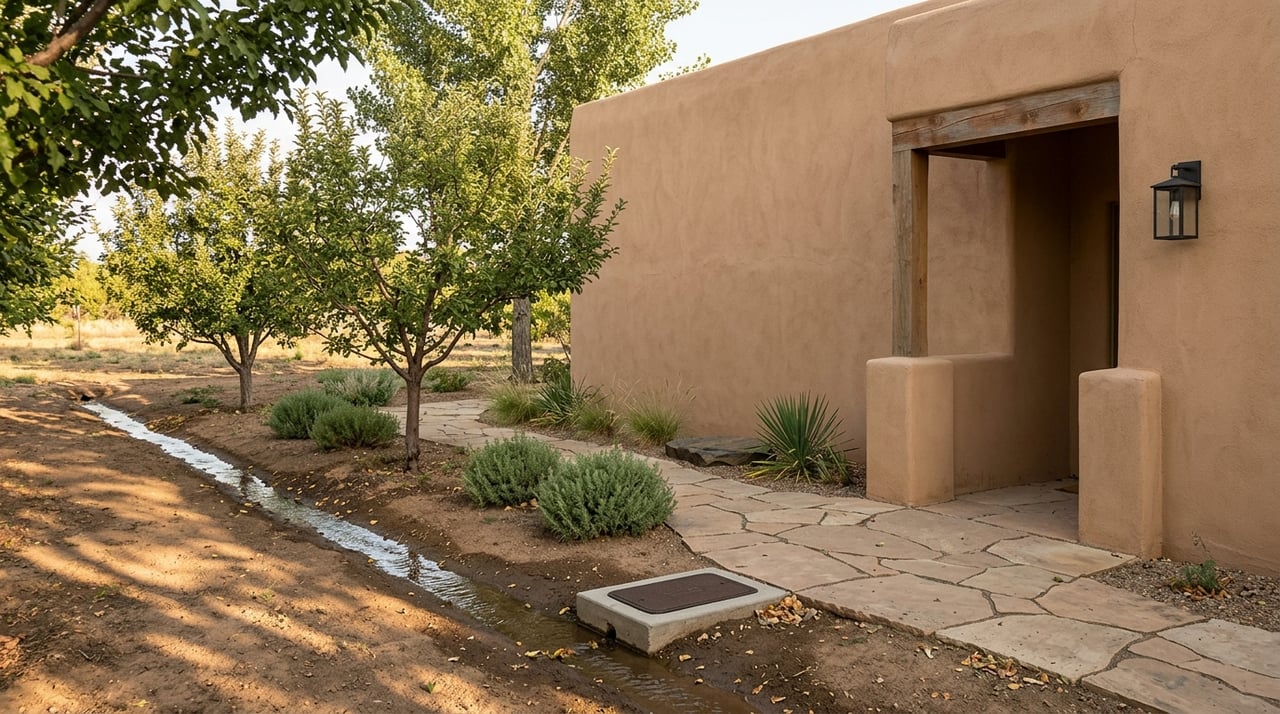
The historic core offers one of the clearest examples of how neighborhood design shapes everyday life in Santa Fe. This area is organized around narrow streets, the central plaza, and an acequia network within the Downtown and Eastside Historic District.
Because of that layout, daily routines can feel more centered on short trips, walking, and regular contact with civic and cultural spaces. If you enjoy being close to the heart of the city, the historic core can support a more connected, place-based routine.
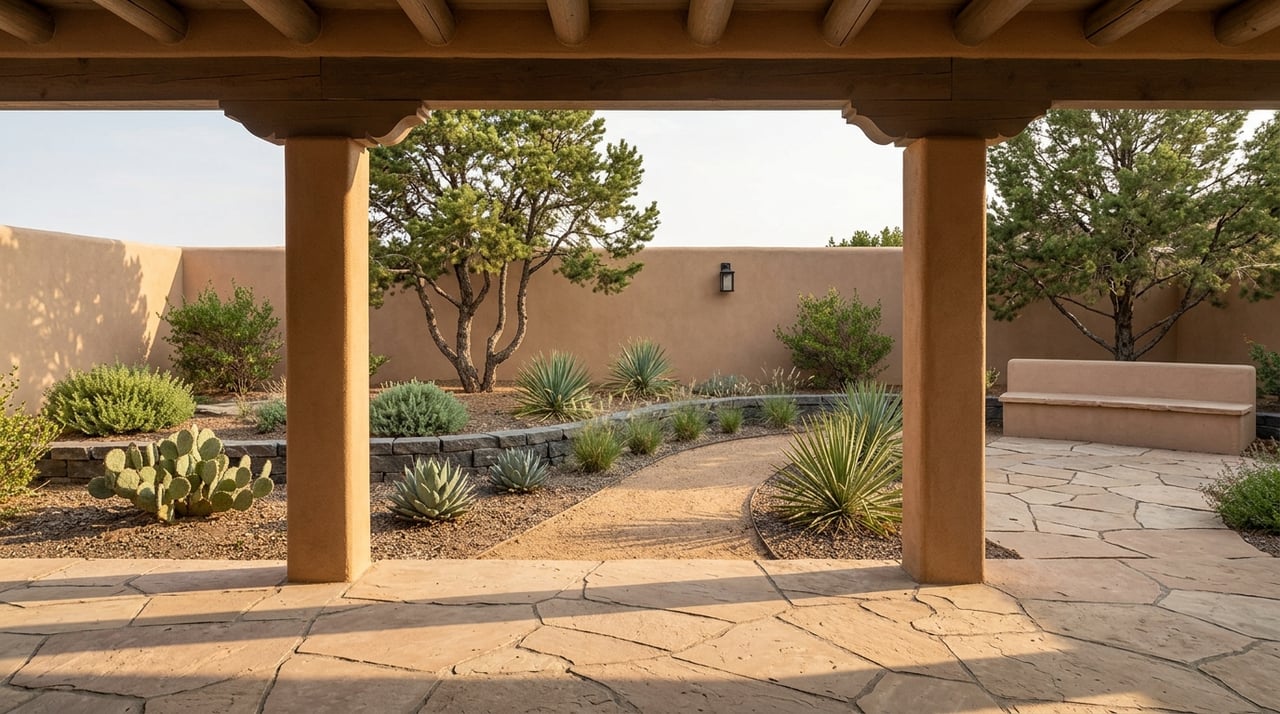
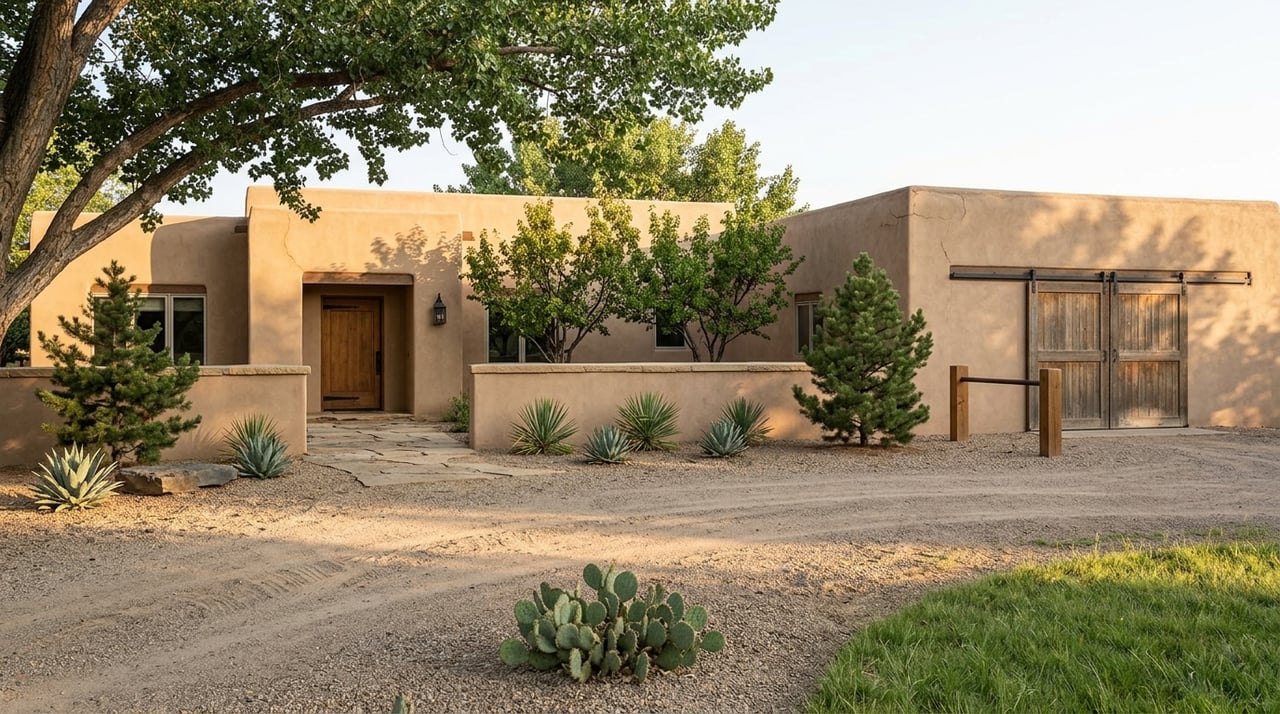
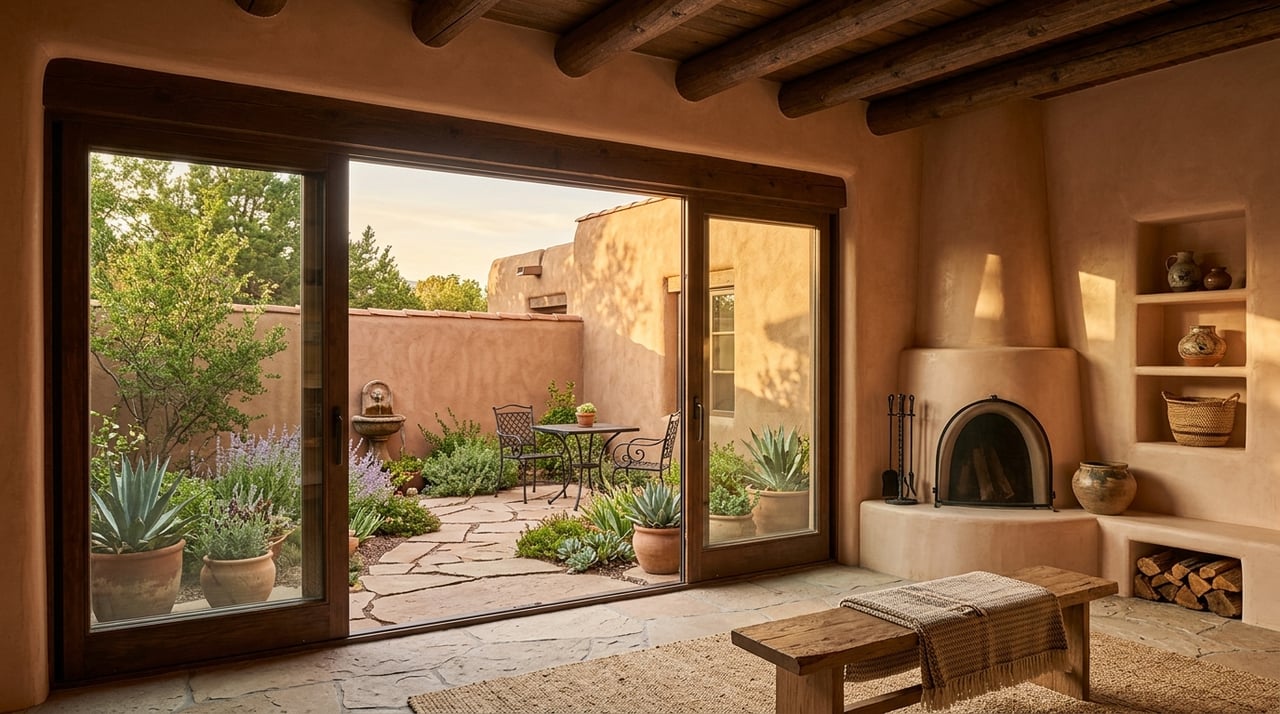
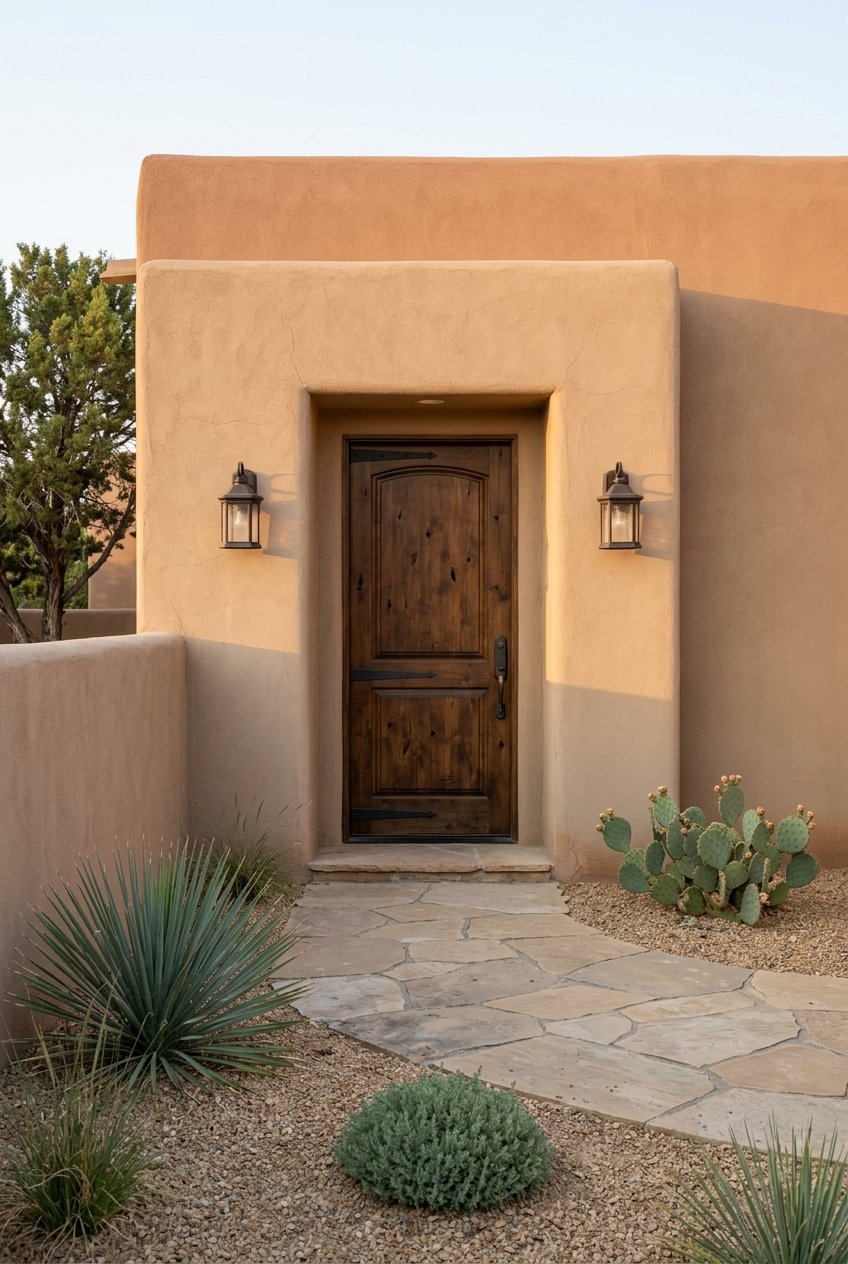
The homes and streetscape here are also a big part of the appeal. The city describes this district as containing some of Santa Fe’s oldest and best-preserved Spanish-Pueblo, Territorial, and revivalist architecture, with visual traits that include adobe masonry, mud plaster, and earth-tone matte finishes.
What daily life can feel like
In practical terms, living in the historic core may mean fewer long cross-town drives for everyday outings. Downtown parking is managed through three garages and surface lots totaling about 1,850 off-street spaces, but many residents and visitors still experience the area through walking and short local trips.
That can be a strong fit if you want your surroundings to feel distinctly Santa Fe and you value proximity to the plaza and downtown activity. For many buyers, the appeal is not just the home itself, but the daily experience of living in a historic urban setting.
What to know about preservation rules
Older charm often comes with added responsibility. Santa Fe’s Historic Preservation Division assists property owners in five historic districts, including the Downtown and Eastside district, and exterior changes may involve design review.
If you are considering a home in the core, it helps to think beyond the look and location. You will also want to be comfortable with the possibility of more oversight for repairs or exterior updates than you might find in newer parts of the city.
Eastside life near Canyon Road
The Eastside offers a closely related but distinct lifestyle within the same broader historic district. This area includes Canyon Road, Acequia Madre, Camino del Monte Sol, and East Palace Avenue neighborhoods.
For many buyers, Eastside living is tied to a strong sense of place. Canyon Road is described by the city as an art destination with more than 130 galleries, boutiques, and restaurants along a seven-city-block stretch, which gives this area a very specific daily texture.
Why buyers are drawn to the Eastside
If you picture your routine including nearby galleries, dining, and an established historic setting, the Eastside may stand out. It can offer a residential feel that still keeps you close to one of Santa Fe’s best-known cultural corridors.
This is often appealing to local buyers, second-home owners, and relocators who want architecture, arts access, and a neighborhood experience that feels rooted in Santa Fe’s identity. The appeal is less about convenience alone and more about living in a place with a highly defined character.
The tradeoff to consider
The same historic character that draws buyers in can also limit flexibility. Because the Eastside sits within a preservation-focused area, exterior alterations and future changes may face more scrutiny than they would in newer neighborhoods.
That does not make the area less desirable. It simply means your neighborhood choice should match not only your style preferences, but also your comfort level with rules that help maintain the district’s historic appearance.
Southside corridors and daily convenience
Santa Fe’s southside follows a different pattern. Instead of a historic grid focused on the plaza, much of the area is shaped by major corridors, especially Airport Road and Cerrillos Road.
The city describes the Airport Road corridor as one of Santa Fe’s fastest-growing commercial and residential areas and a key service area for the southside community. Cerrillos Road is described as one of the city’s highest-traffic corridors and a major commercial spine, as well as a principal transportation route that provides essential business, social, and housing access.
How the southside shapes your routine
In a corridor-based area, daily life often revolves around driving or transit rather than block-by-block walking. Errands may cluster along arterial roads, and access to stores, services, and work routes can become a central part of the appeal.
For many buyers, that practical convenience is a major strength. If you want easy access to everyday services and major roads, the southside may fit your needs well.
What the housing feel may be like
The southside is best understood as mixed and evolving rather than architecturally uniform. Based on the city’s corridor planning language, it reflects a blend of commercial, residential, and redevelopment activity that tends to feel more varied and newer than the historic districts.
That can be helpful if you are open to a wider range of home types and neighborhood settings. It may also appeal to buyers who prioritize function, access, and an everyday routine built around service corridors.
Midtown and newer growth areas
Some of Santa Fe’s most notable change is happening in redevelopment and planned growth areas. Midtown is described by the city as Santa Fe’s center of connection, with a central location linking neighborhoods across the city and a walkable mix of housing, jobs, theaters, studios, parks, and gathering spaces.
The Midtown corridor is also framed as an emerging hub for creative industries, higher education, and mixed-use redevelopment. That points to a neighborhood experience shaped less by historic preservation and more by contemporary planning and reinvestment.
Why Midtown feels different
Midtown stands out because it combines central access with an evolving mixed-use identity. If you want a location connected to multiple parts of Santa Fe and are interested in an area changing over time, this may be worth a closer look.
Its appeal is tied to connection and flexibility. Rather than being defined mainly by old architectural fabric, it is being shaped by how people live, work, gather, and move through a more modern redevelopment setting.
Las Estrellas and planned development
Las Estrellas reflects another side of Santa Fe’s newer growth. The city released a request for qualifications for a 550-acre subdivision intended to become a modern, innovative, mixed-use, mixed-income, multigenerational neighborhood with a majority of moderately priced homes.
That signals a different neighborhood model from the historic core. Buyers interested in newer construction, planned communities, and a more contemporary neighborhood framework may find these growth areas especially relevant.
How to narrow your neighborhood shortlist
When you compare Santa Fe neighborhoods, geography is only part of the story. A better question is: How do you want your day to work?
Here are a few practical filters to help you think it through:
- Choose the historic core if you want strong walkability, quick access to downtown life, and a classic Santa Fe architectural setting.
- Choose the Eastside if you want historic character and an arts-centered routine near Canyon Road.
- Choose southside corridors if you want practical access to services, retail, and major transportation routes.
- Choose newer growth areas if you prefer redevelopment, mixed-use planning, or the possibility of newer housing formats.
You should also think about how comfortable you are with preservation review versus flexibility. In Santa Fe, that difference can affect not just your lifestyle, but also how you maintain or update a property over time.
Matching place to your priorities
The best neighborhood for you depends on what you want your everyday life to feel like. Some buyers want to walk through a historic setting and stay close to cultural landmarks. Others want easier driving patterns, access to services, or a neighborhood shaped by new development.
Santa Fe offers all of those possibilities, but not usually in the same place. That is why local guidance matters so much when you are comparing neighborhoods that may look close on a map but live very differently in practice.
If you want help sorting through Santa Fe neighborhood options with local insight and a concierge-level approach, connect with Origins Realty Group.
FAQs
How does downtown Santa Fe affect everyday life?
- Downtown Santa Fe and nearby neighborhoods are among the city’s most walkable areas, so daily life may involve more short trips, walking, and access to civic and cultural spaces.
What should buyers know about Eastside Santa Fe homes?
- Eastside homes offer strong historic character and access to Canyon Road’s galleries, boutiques, and restaurants, but exterior changes may face more preservation review.
How is the southside of Santa Fe different from the historic core?
- The southside is shaped more by major corridors like Airport Road and Cerrillos Road, so everyday routines often center on driving, transit, and access to services along commercial routes.
What makes Midtown Santa Fe unique?
- Midtown is planned as a connected, walkable mixed-use area with housing, jobs, parks, studios, theaters, and gathering spaces, making it one of Santa Fe’s key redevelopment zones.
Are newer Santa Fe neighborhoods different from historic districts?
- Yes. Newer growth areas are generally shaped by redevelopment and planned mixed-use development rather than the preservation rules and older street patterns found in historic districts.