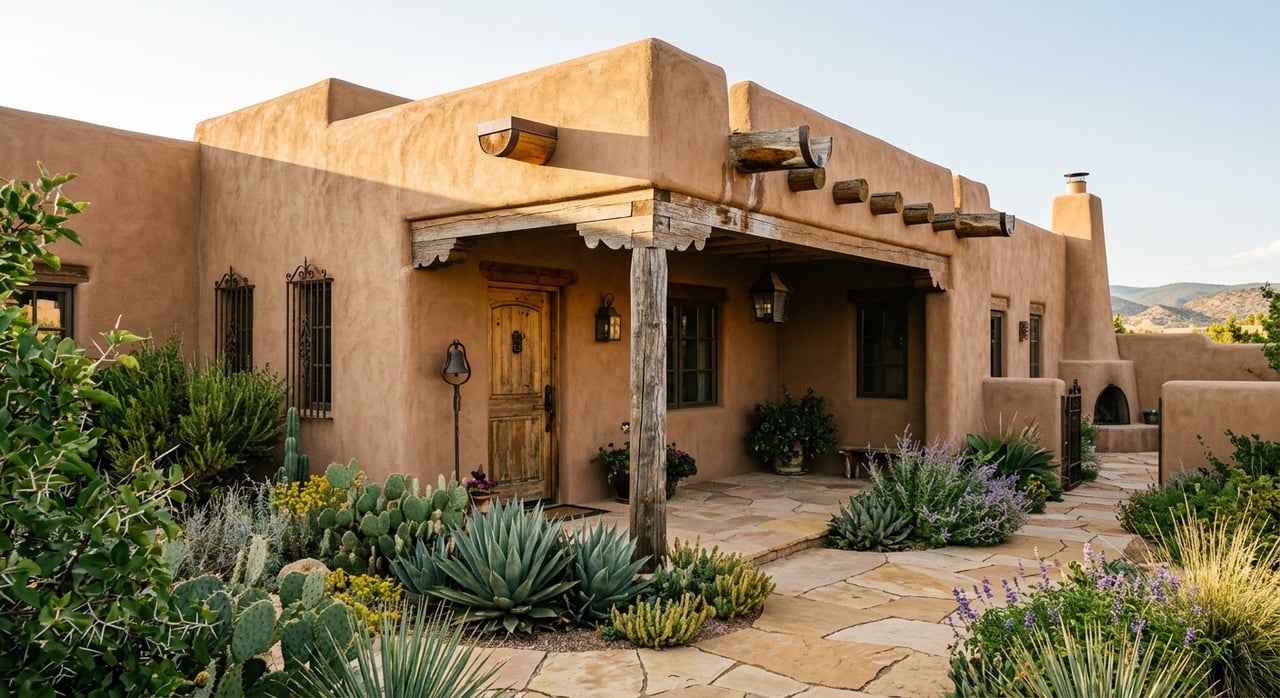
If you are getting ready to sell a Pueblo-style home in Santa Fe, character alone may not carry the day. Buyers here often compare many listings, and current market data shows homes are taking about 58 days to sell, with sale prices landing around 95% of list price. That means presentation, condition, and pricing discipline matter. The good news is that you do not need to strip away what makes your home special. You need to help buyers see its architecture clearly and feel confident in its upkeep. Let’s dive in.
Why prep matters in Santa Fe
Santa Fe’s spring 2026 housing data points to a market where buyers have options. Realtor.com reports 1,101 active listings, a median listing price of $775,000, a median sold price of $515,000, and 58 days on market. Redfin also reports 58 days on market and a median sale price around $525,000.
For sellers, the takeaway is simple. Buyers can afford to be selective. A Pueblo-style home that feels clean, cared for, and visually ready is more likely to stand out than one that feels like a project.
Pueblo-style features buyers notice
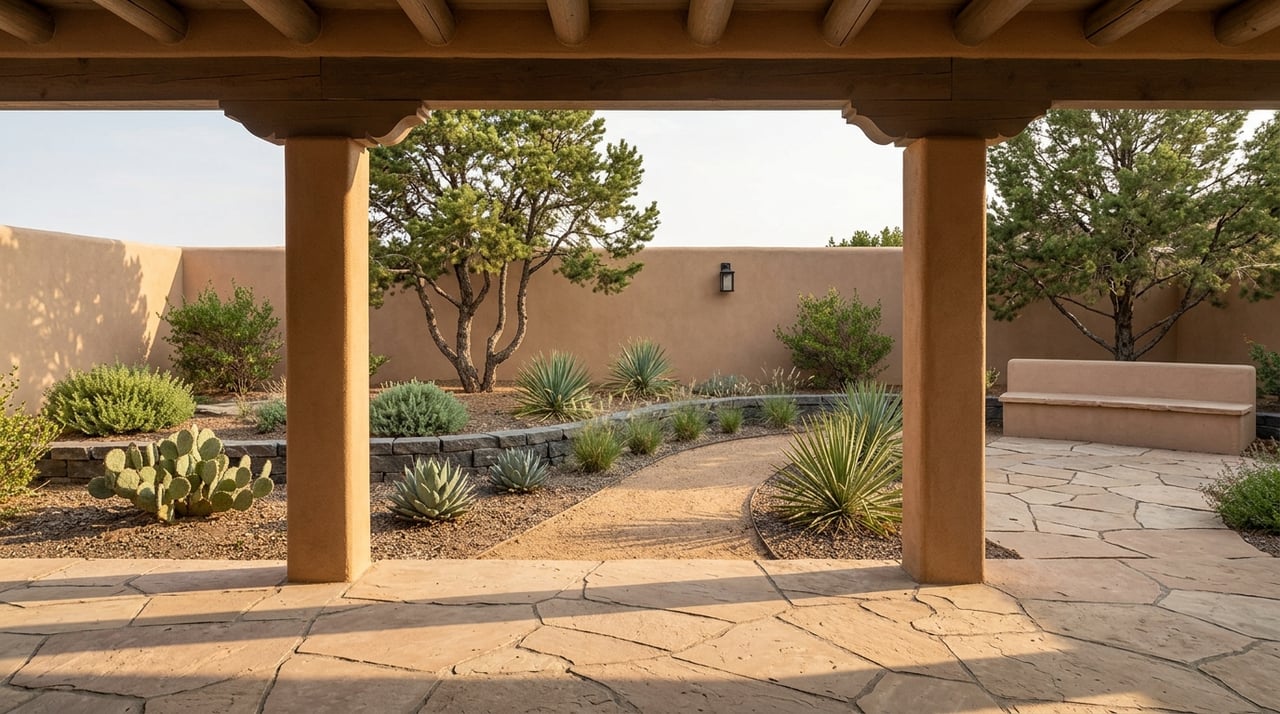
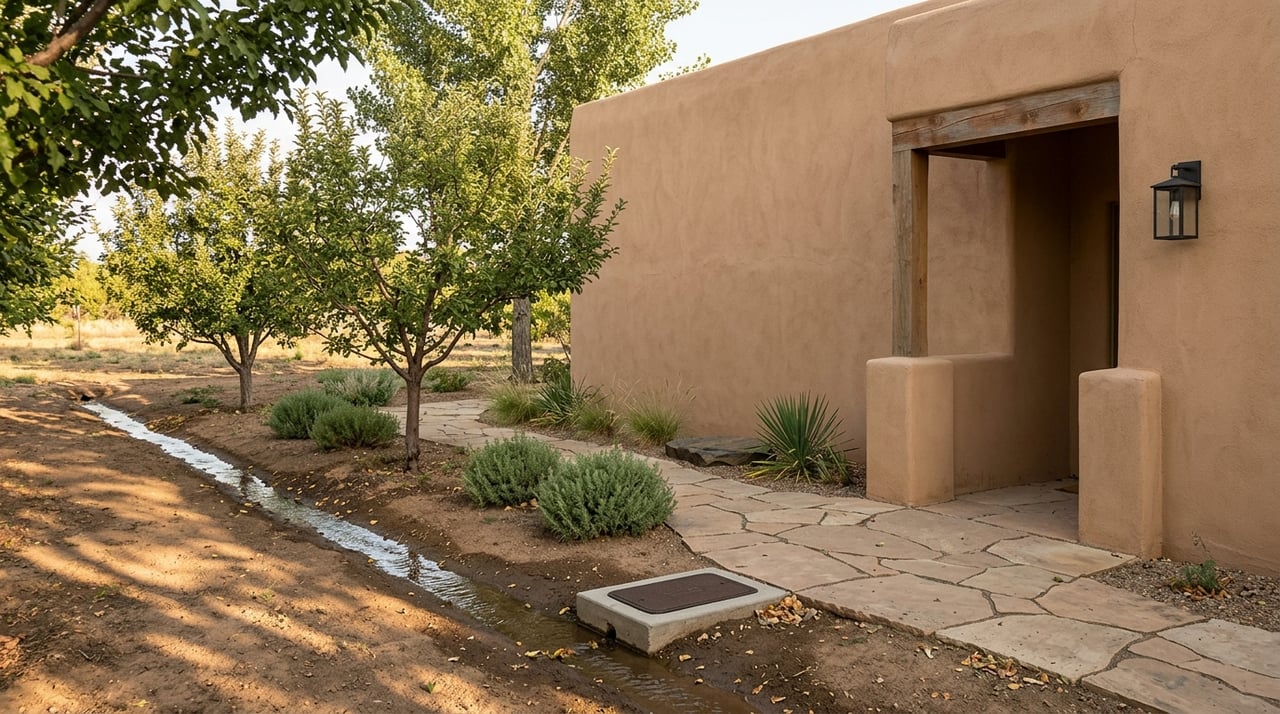
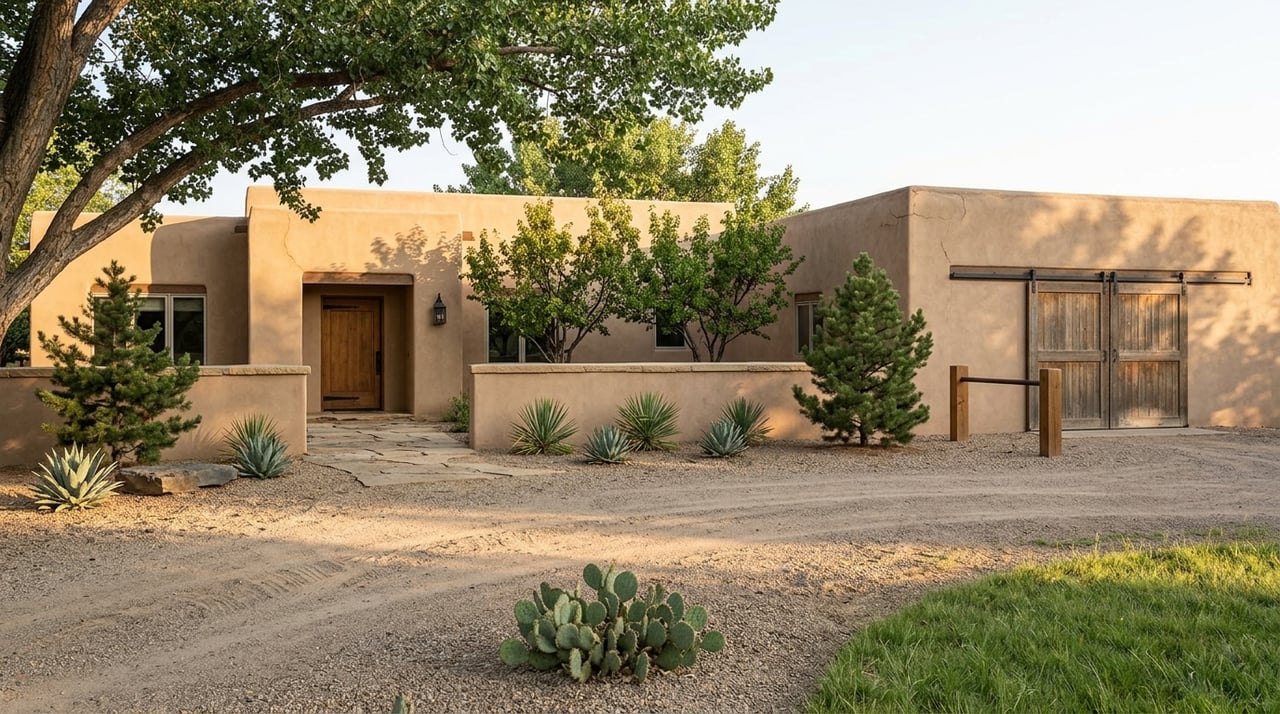
In Santa Fe, architecture is part of the value buyers are judging from the first photo onward. The National Park Service describes Pueblo Revival with features such as flat roofs, parapeted walls, gently rounded walls, stucco finishes, and exposed vigas. These details are not background elements. They are part of what many buyers hope to find.
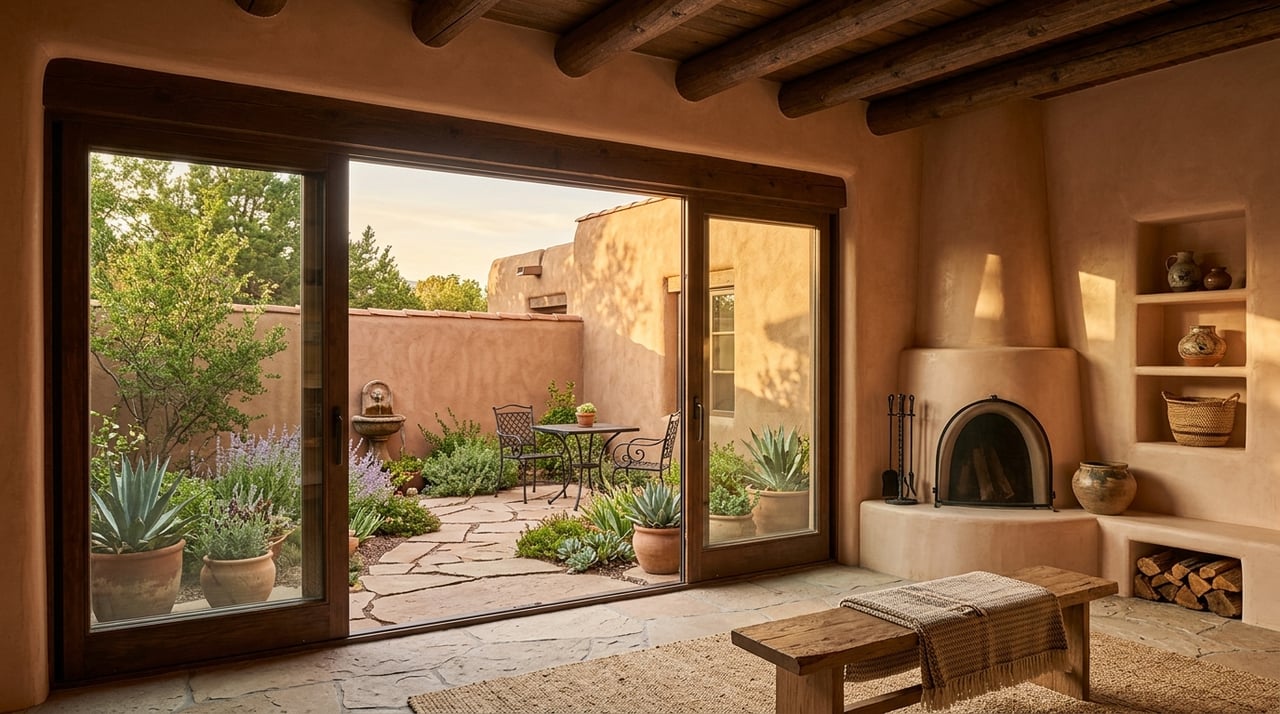
That is why preparation should simplify and highlight character, not erase it. When clutter is reduced and finishes are refreshed, buyers can better notice plaster texture, deep-set openings, portals, vigas, and the home’s overall form.
Start with the exterior shell
Before you think about styling, start with the parts of the home that protect it. In Santa Fe’s climate, exterior maintenance deserves early attention. NOAA’s Santa Fe 2 station reports an elevation of 6,756 feet, an annual mean temperature of 50.0 degrees, 12.79 inches of annual precipitation, and 20.2 inches of annual snowfall.
That combination helps explain why roof drainage, parapets, flashing, stucco cracks, and signs of water intrusion should move to the top of your prep list. Even in a relatively dry climate, winter snow and seasonal moisture can expose weak points. If buyers see staining, cracking, or deferred maintenance, they may assume larger issues are hiding behind the finish.
Focus on roof and stucco first
For many Pueblo-style homes, the highest-priority work is at the roofline and exterior walls. Review the condition of the roof, parapets, flashing, and stucco. Look closely for cracking, bubbling, staining, or any evidence that moisture has entered the home.
If repairs are needed, address them before photography and showings if possible. In a market where buyers are comparing many homes, visible maintenance issues can quickly shift attention to better-prepared listings.
Know what may require permits
In Santa Fe, some common seller prep projects require more than a contractor call. The City of Santa Fe says building permits are required for roofing and re-roofing, window replacement, and re-stuccoing. Interior and exterior painting of residential structures does not require a building permit.
This matters if you plan to list within the next 6 to 12 months. If larger exterior work is needed, confirm timing early so your listing calendar does not get squeezed by approvals or scheduling delays.
Historic district rules can affect timing
If your home is in one of Santa Fe’s historic districts, exterior preparation may also involve design review. The city’s Historic Preservation Division assists with property modifications, and the Historic Districts Review Board reviews exterior work for compliance with historic standards.
Some simple maintenance and repair work may not require a construction permit, but exterior work in a historic district must be pre-approved by Historic Preservation. That means even basic-looking touch-ups can affect your listing timeline if they change visible exterior elements.
Match finishes to local standards
For homes in the Downtown and Eastside historic districts, the design handbook gives clear direction. Exterior walls should be one color, wall surfaces should be earth-toned with a matte or dull finish, and traditional Santa Fe style buildings should use adobe masonry or mud plaster or stucco with inset windows and rounded corners. The handbook also states that at least 80% of a facade should have mud plaster or stucco finish.
If you are refreshing the exterior, consistency matters. Buyers notice when a home feels visually aligned with Santa Fe’s architectural language, and city review standards make that especially important in historic areas.
Make the home feel cared for
Once the shell is in good shape, move to the visual refresh buyers will notice immediately. According to the 2025 NAR staging report, sellers’ agents most often recommend decluttering, whole-home cleaning, improving curb appeal, paint touch-ups, minor repairs, and professional photos.
This stage is often where a Pueblo-style home starts to shine. The goal is not to make it look generic. The goal is to make it feel calm, bright, and easy to understand.
Prioritize these quick wins
- Declutter surfaces, shelves, and corners so architectural details stand out
- Deep clean the whole home, including windows, floors, kitchens, and baths
- Repair small visible defects such as chipped trim, loose hardware, or damaged screens
- Touch up paint where needed, using finishes that feel cohesive with the home
- Refresh curb appeal by cleaning entry areas, courtyards, portals, and walkways
When buyers walk in, they should feel that the home has been maintained with care. Small distractions can pull attention away from the home’s strongest features.
Stage the rooms that matter most
Not every room has equal impact. NAR’s 2025 data shows buyers’ agents said the living room was the most important room to stage at 37%, followed by the primary bedroom at 34% and the kitchen at 23%. The rooms most commonly staged before listing were the living room, primary bedroom, dining room, and kitchen.
If you are deciding where to spend time and money, begin with those spaces. In many Santa Fe homes, the living room is where buyers connect most strongly with vigas, kiva-style fireplaces, plaster walls, and natural light.
Keep character, reduce visual noise
A good staging plan for a Pueblo-style home usually means editing, not overfilling. Remove bulky or excess furniture that blocks circulation or hides architectural lines. Simplify decor so buyers notice texture, shape, and light instead of personal collections or crowded surfaces.
You want the home to feel warm and finished, but not busy. When buyers can clearly read the room, they can better imagine how they would live there.
Use light to your advantage
Natural light plays a big role in how Santa Fe homes show. NAR recommends letting natural light shine, using neutral wall colors, opening up space, and streamlining decor. Those steps can help interiors feel brighter and more spacious without major renovation.
This is especially helpful in homes with deep-set windows, heavy wood details, or rooms that can photograph darker than they feel in person. Open window coverings where appropriate, replace weak bulbs, and make sure every important room feels evenly lit.
Photography is part of prep
Strong marketing starts before the listing goes live. NAR reports that buyers’ agents rated photos, physical staging, videos, and virtual tours as important tools, and sellers’ agents said photos were included in 88% of staged-listing recommendations.
In other words, photography is not the final step after prep. It is one of the reasons prep matters. A well-prepared Santa Fe home will usually photograph better, attract more attention online, and create stronger first impressions before a buyer ever schedules a showing.
Plan for the best visual moments
For Pueblo-style homes, timing matters. Exterior photos tend to look best in clean, flattering light, while interior photos should be scheduled when natural light helps show depth, color, and texture.
That is especially important for features like stucco walls, vigas, fireplaces, portals, and courtyards. These details are highly visual, and good presentation helps them register clearly in online searches.
A practical 6 to 12 month roadmap
If your listing date is still months away, a phased plan can make the process easier and more strategic. The strongest sequence is to address structural and exterior concerns first, then move into cosmetic prep, staging, and marketing assets.
Here is a practical order to follow:
- Inspect the roof, parapets, flashing, stucco, and any signs of moisture intrusion
- Confirm permit or historic-review needs for roofing, re-stuccoing, or window replacement
- Complete exterior and interior touch-ups buyers will notice right away
- Deep clean, declutter, and repair obvious small defects
- Stage the living room, primary bedroom, kitchen, and other main spaces
- Schedule professional photography and, if appropriate, video or virtual tour assets
This order helps you avoid spending on styling before major issues are settled. It also gives your home the best chance to hit the market looking intentional, polished, and move-in ready.
Keep updates in proportion
In a buyer-leaning market, it can be tempting to over-renovate. Usually, that is not the goal. Most sellers benefit more from solving visible maintenance issues, improving presentation, and highlighting the home’s original strengths than from chasing a full redesign.
For a Pueblo-style Santa Fe home, authenticity still matters. Buyers are often responding to the architecture itself, so the smartest prep often protects that character while making the home feel easier to own.
When you are ready to plan your sale, a local team can help you prioritize the right updates, avoid timing surprises, and present your home with the polish today’s buyers expect. Connect with a Santa Fe real estate expert at Origins Realty Group.
FAQs
What should sellers fix first in a Pueblo-style Santa Fe home?
- Start with the exterior shell, especially the roof, parapets, flashing, stucco cracks, and any signs of moisture intrusion.
Do Santa Fe sellers need permits for roof or stucco work?
- Yes. The City of Santa Fe requires building permits for roofing and re-roofing, window replacement, and re-stuccoing.
Do historic district rules affect exterior home prep in Santa Fe?
- Yes. If your property is in a historic district, exterior work must be pre-approved by Historic Preservation, even when some simple maintenance may not require a construction permit.
Which rooms should sellers stage first before listing in Santa Fe?
- Start with the living room, then the primary bedroom and kitchen, since these are the spaces buyers and agents most often view as most important.
Why do professional listing photos matter for Santa Fe homes?
- Strong photos help buyers notice architectural details online and can improve first impressions in a market where many homes are being compared.