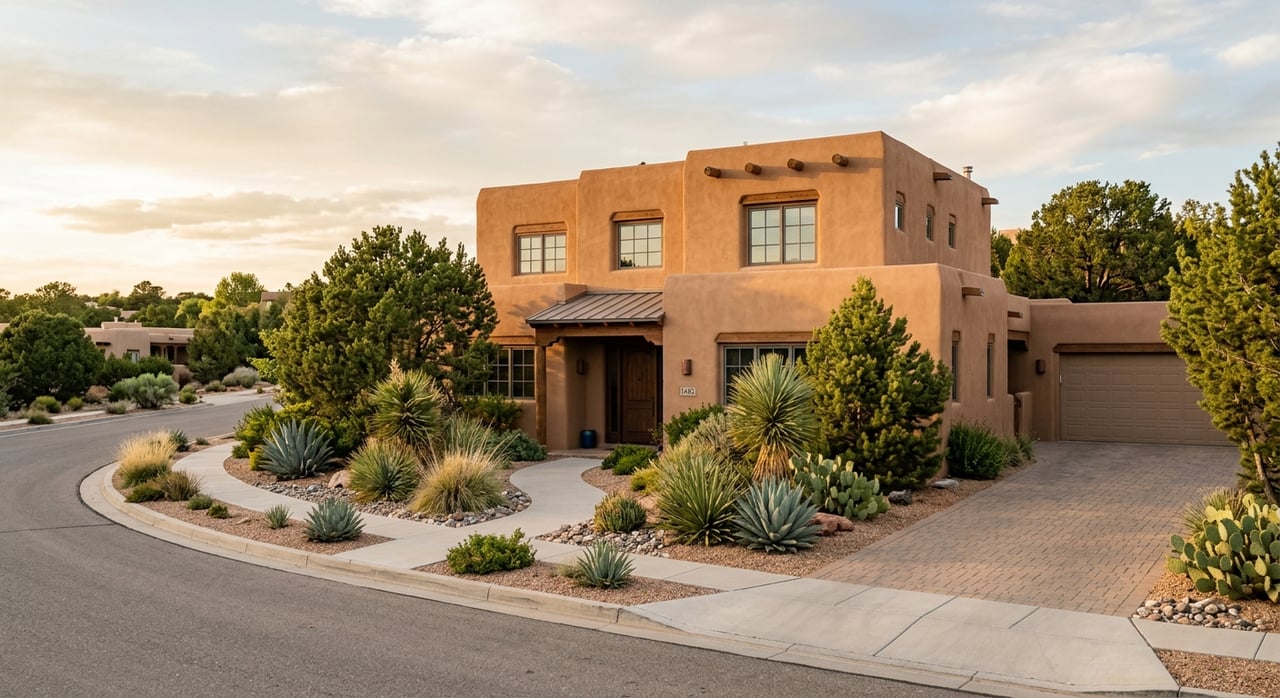
If you are thinking about moving to Rio Rancho, you probably want more than a map and a list of homes. You want to know what an ordinary Tuesday feels like, how errands actually work, and whether the city fits the pace of life you want. The good news is that Rio Rancho has a pretty clear rhythm, and once you understand it, the city starts to make a lot more sense. Let’s dive in.
Rio Rancho has a suburban rhythm
Daily life in Rio Rancho is shaped by space. The city describes itself as a suburban community, and that shows up in the layout, the road network, and the way most people move through their day.
Rio Rancho grew from Rio Rancho Estates in the 1960s and later incorporated in 1981. By the city’s 2025 estimate, it had reached 114,419 residents, so you are looking at a place that has grown steadily while keeping a spread-out, high-desert suburban feel.
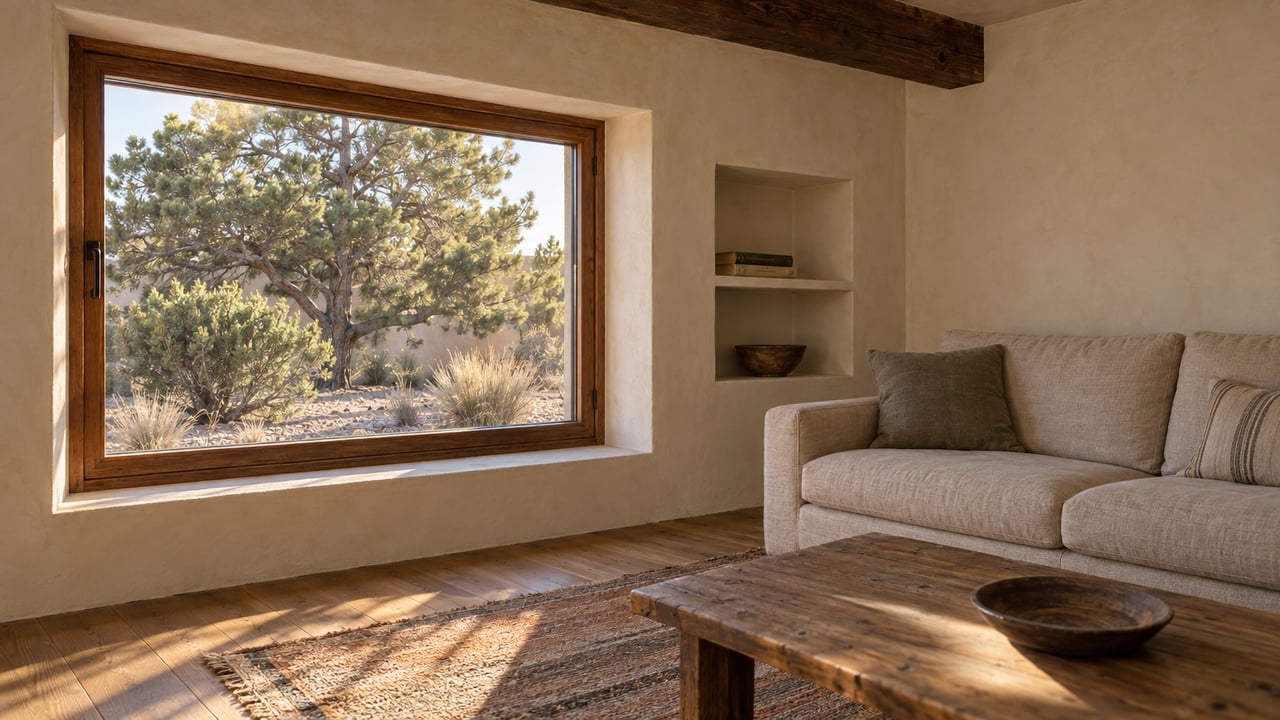
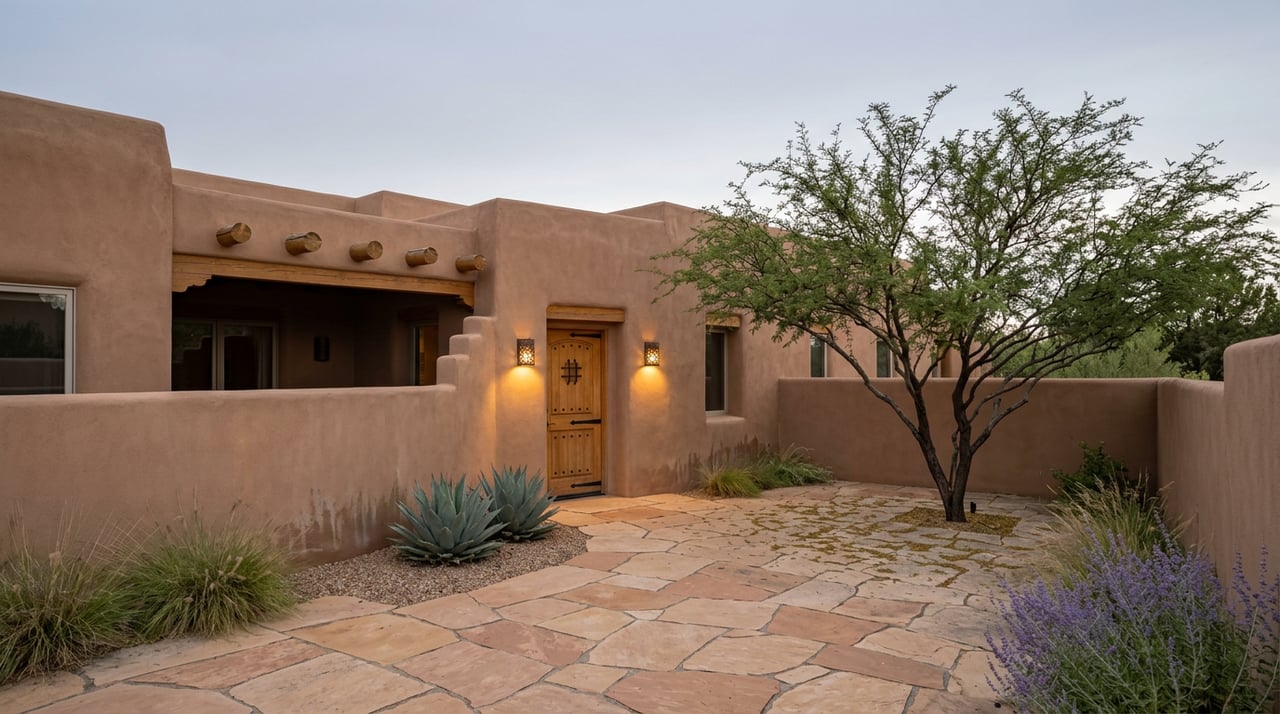
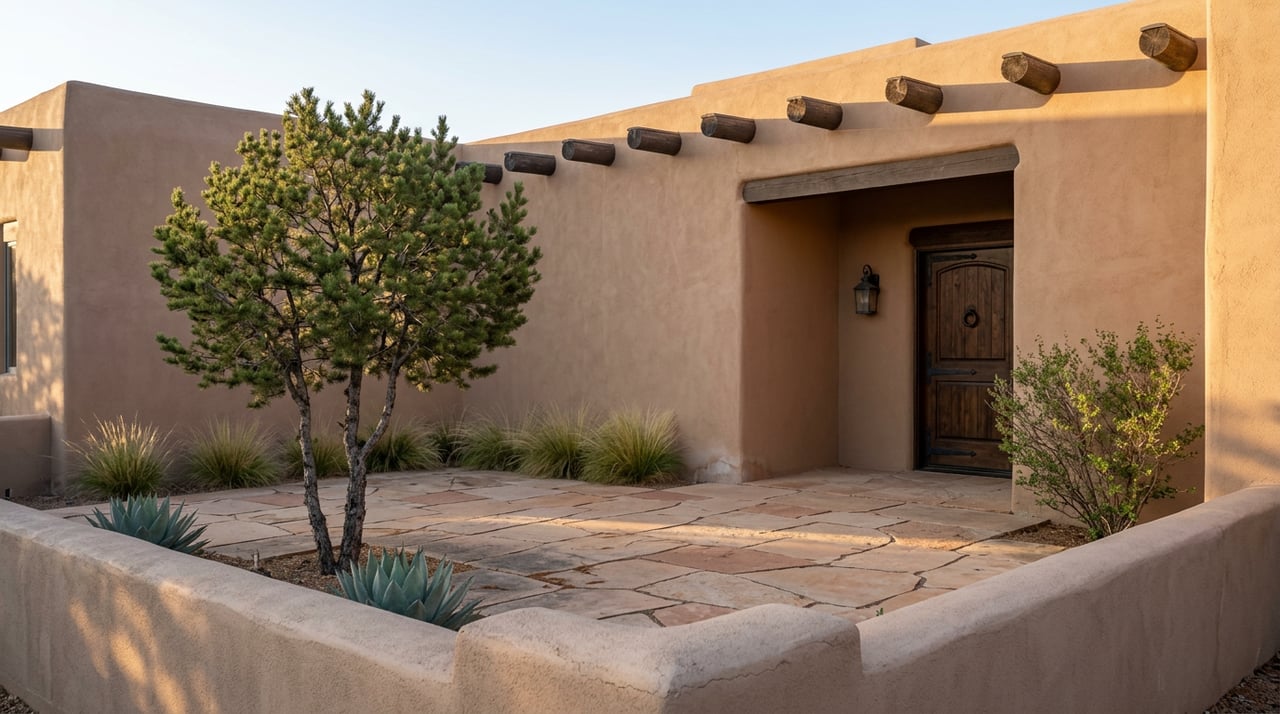
The local setting matters too. Rio Rancho sits at 5,679 feet and averages about 8.5 inches of precipitation a year. In practical terms, that helps explain why xeriscape yards, sunny outdoor time, and car-based routines are such a normal part of everyday life.
Getting around is mostly car-based
For most residents, the car is central to daily life in Rio Rancho. The city’s layout includes wide streets, large parking areas, and commercial corridors that are easier to reach by driving than by walking from one stop to the next.
If you commute toward Albuquerque, the main routes often involve U.S. 550, Paseo del Volcan, NM 528, Southern Boulevard, Unser Boulevard, and King Boulevard. These are not static corridors either. The New Mexico Department of Transportation is coordinating with Rio Rancho on traffic and safety evaluations along NM 528 and U.S. 550, which reflects how important these routes are to local movement.
That said, daily life is not strictly limited to driving. Rio Rancho lists ABQ Ride, Rio Metro and Rio Transit bus service, and the New Mexico Rail Runner as public transportation options.
Rio Metro’s Albuquerque service information says its bus and Dial-a-Ride services are fare free. The Commuter 251 route connects the Los Ranchos and Journal Center Rail Runner station to Century Rio 24, the Northwest Transit Center, Intel, and points in Rio Rancho, which gives some residents a useful backup for commuting or regional trips.
Errands happen in corridors and nodes
One of the biggest things newcomers notice is that Rio Rancho does not revolve around one compact downtown. Shopping, dining, services, and civic destinations are spread across several corridors and activity nodes.
The city’s planning documents help explain why. Older development patterns created indirect storefront access, broad parking fields, and wide streets, so the experience often feels more suburban and practical than urban and walkable.
That means your day may involve driving from home to a grocery store, then to a park, then to a school or community center, all within the same part of town. It is a routine built around convenience by area rather than everything being packed into one central district.
Older and newer areas can feel different
Rio Rancho is not one single neighborhood experience. The city includes older, more established areas as well as newer master-planned communities, and those two patterns can feel different in day-to-day life.
The older parts of Rio Rancho trace back to the original Rio Rancho Estates era. In many of these areas, the pattern is more classic suburban expansion, with an auto-oriented layout and a stronger focus on institutions, major roads, and separated land uses.
Newer areas are often planned around open space, trails, parks, and neighborhood-scale services. If you are deciding where to live, this can have a real effect on how connected your immediate area feels to recreation and daily errands.
What newer planned areas often include
Master-planned communities in Rio Rancho tend to group homes, parks, trails, and services in a more intentional way. That does not make them urban, but it can make weekly routines feel more organized and locally centered.
Examples from city planning documents include:
- Cabezon, which plans for open space, parks, a variety of housing choices, and neighborhood commercial services
- Mariposa, which sets aside about 3,704 acres, or roughly 56 percent of its site, for open space and parks and includes 39 miles of trails and bikeways
- Lomas Encantadas, which emphasizes local streets, limited access to Paseo del Volcan, and cul-de-sacs
- Vista Alegria, which focuses on single-family neighborhoods near planned schools, commercial services, and a business park
A simple way to think about it is this: older Rio Rancho often feels like broad suburban growth, while newer Rio Rancho often feels like planned suburban living with built-in recreation and service nodes.
Outdoor time is part of normal life
In Rio Rancho, parks and recreation are not just weekend extras. They are part of the city’s everyday routine.
The city’s Parks, Recreation and Community Services department says it creates and maintains spaces and activities that build community. Its services include community centers, senior services, para-transit, trails, parks, and an open-space network.
The department says it operates four community centers, the Rio Rancho Aquatic Center, and three outdoor swimming pools. The Aquatic Center is open year-round, which adds another layer to the city’s day-to-day recreation options.
Rio Rancho also has an adopted Bicycle and Pedestrian Transportation Master Plan and city bike maps for both the north and south sides of town. That tells you outdoor movement is part of the city’s planning, not just an afterthought.
Parks people actually use
A few locations stand out because they fit so naturally into real weekly routines. These are the kinds of places residents can work into an after-school stop, a weekend outing, or an evening walk.
Haynes Community Center and Park is one of the city’s busiest parks. It sits across from Intel and includes youth and adult sports, a seasonal pool, and a rental pavilion.
Loma Colorado Park is paired with the aquatic center and library, which makes it especially practical for families and anyone looking to combine activities in one stop. Enchanted Hills Park adds a more neighborhood-scale option with a walking path, playground, picnic tables, basketball courts, and a dog-friendly setup.
Beyond those, the city’s larger park and trail system includes places like Bosque Trail, Los Rios Trail, Dam Site 1 Bike Path, Roadrunner Park, Mariposa Park, and the Rio Rancho Sports Complex. In daily life, that means recreation is spread throughout the city rather than concentrated in just one area.
Community life happens in several hubs
Because Rio Rancho is spread out, people gather in a few different types of places. Instead of one central social district, community life tends to happen in parks, shopping areas, community centers, and civic destinations.
The City Center district is one of the clearest examples. The city lists City Hall, the Rio Rancho Events Center, Campus Park, Broadmoor Senior Center, Hewlett-Packard, the UNM Health Sciences Rio Rancho Campus, CNM Rio Rancho Campus, and UNM Sandoval Regional Medical Center as part of that district.
That mix gives City Center a civic and institutional feel, with events and services layered into everyday life. It is less about strolling a historic downtown and more about having multiple public destinations in one area.
The HUB in Enchanted Hills offers another kind of gathering point. Located inside the Plaza at Enchanted Hills Shopping Center, it shows how newer commercial areas can serve as practical community spaces as well as retail stops.
What a typical week can look like
For many residents, life in Rio Rancho is about balancing convenience, commute patterns, and outdoor access. You may start the morning with a drive to work or school, handle errands along a major corridor, then end the day with time at a park, trail, or community center close to home.
Weekends often follow the same logic. Instead of heading into a dense downtown district, you are more likely to spend time moving between neighborhood amenities, larger parks, event spaces, and shopping centers.
That rhythm can work well if you want room to spread out and appreciate having recreation woven into residential areas. It also helps if you are comfortable with a city where most daily movement still happens by car.
What stands out most about daily life
The strongest theme in Rio Rancho is practical suburban living with growing pockets of planned convenience. The city offers established areas shaped by earlier suburban growth and newer areas designed around open space, trails, and neighborhood services.
That mix gives Rio Rancho a distinct identity. It is the kind of place where a grocery run, a commute toward Albuquerque, park time, and a stop at a civic or community space can all fit into one normal day.
If you are considering a move and want help understanding how different areas of Rio Rancho might fit your routine, Origins Realty Group brings local insight and concierge-level guidance to help you make a confident move.
FAQs
How car-dependent is daily life in Rio Rancho?
- Daily life in Rio Rancho is mostly car-based, though ABQ Ride, Rio Metro and Rio Transit services, and Rail Runner connections can help with some commute and errand trips.
Do newer Rio Rancho neighborhoods feel different from older areas?
- Yes. Newer master-planned areas often emphasize trails, open space, parks, and neighborhood commercial nodes, while older areas reflect earlier suburban growth patterns and a more auto-oriented layout.
Where do people gather in Rio Rancho after work or on weekends?
- Common gathering points include parks, community centers, The HUB in Enchanted Hills, and the City Center district.
What is Rio Rancho City Center like in daily life?
- City Center functions as a civic and activity hub with places like City Hall, the Rio Rancho Events Center, Campus Park, educational campuses, and medical facilities rather than a traditional compact downtown.
Is outdoor recreation a big part of life in Rio Rancho?
- Yes. The city supports a broad park, trail, open-space, and community-center network, and it operates the Rio Rancho Aquatic Center year-round along with multiple other recreation facilities.