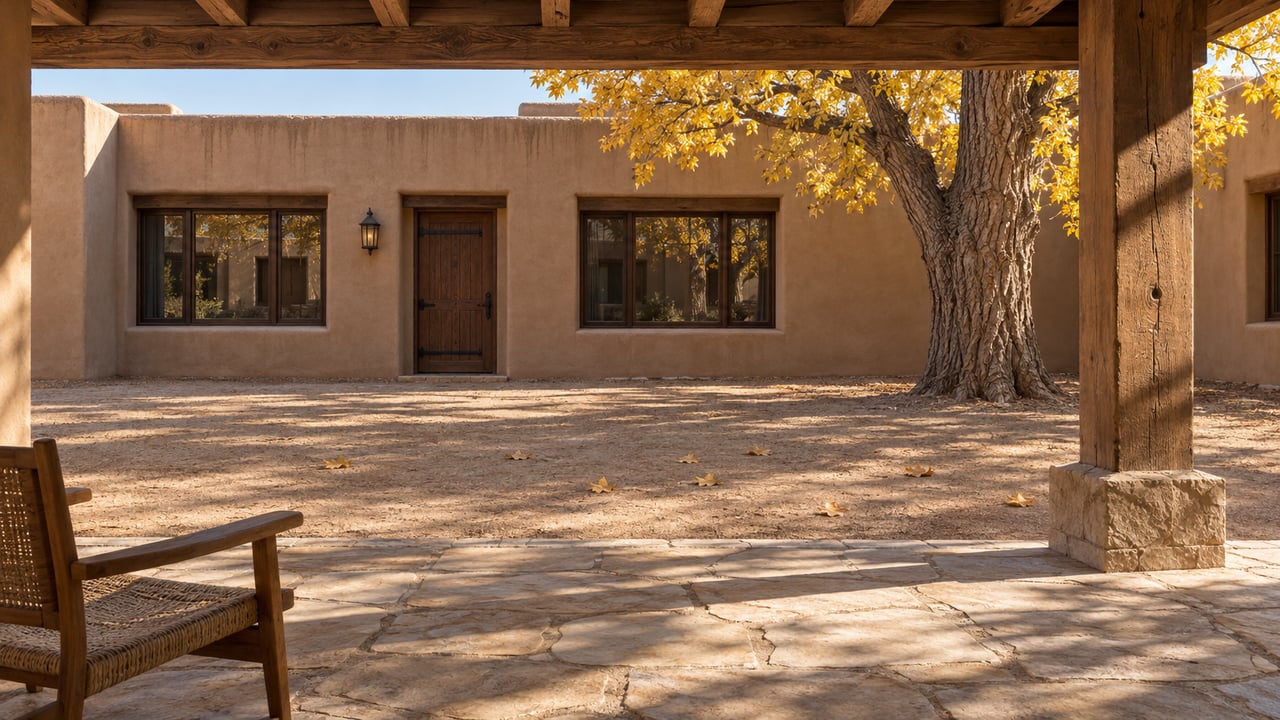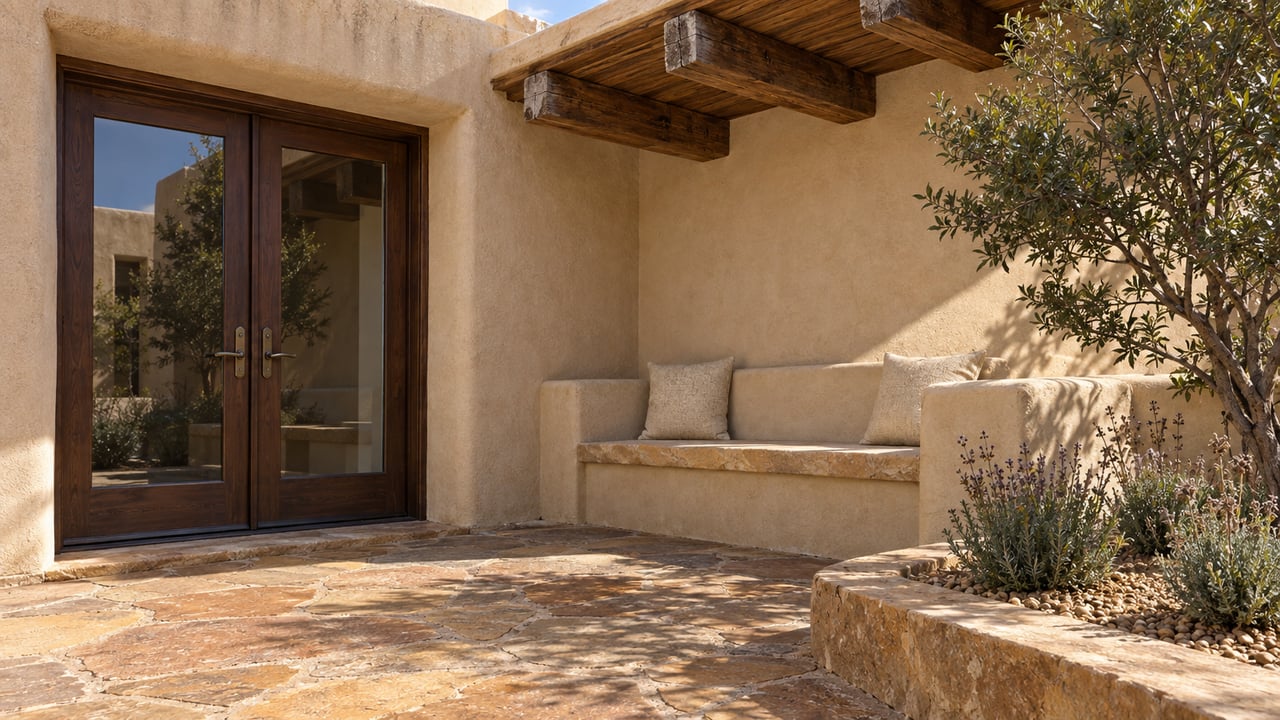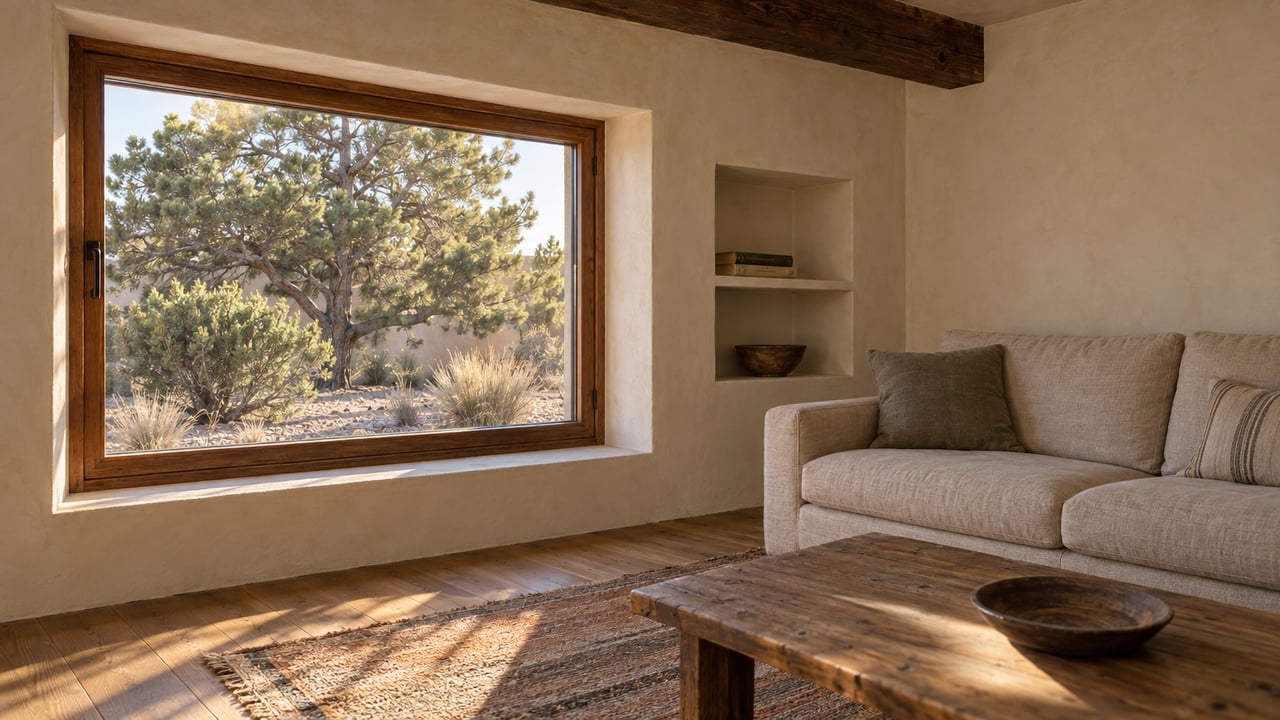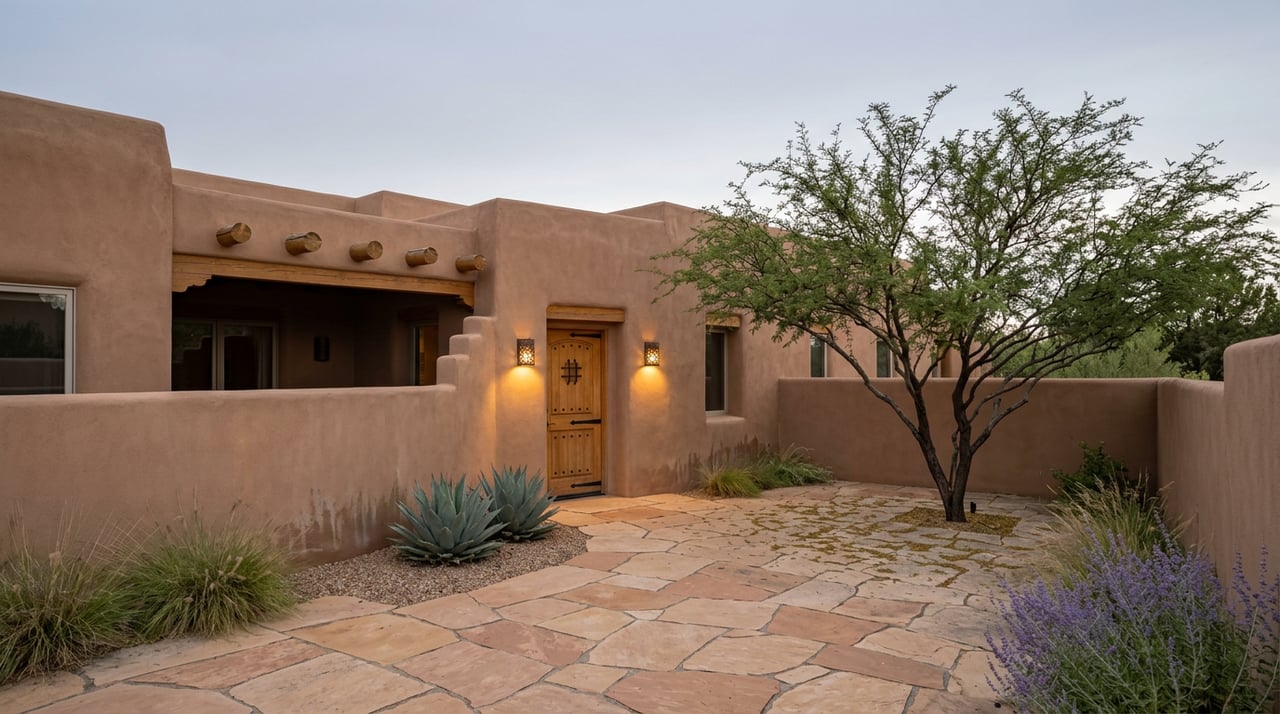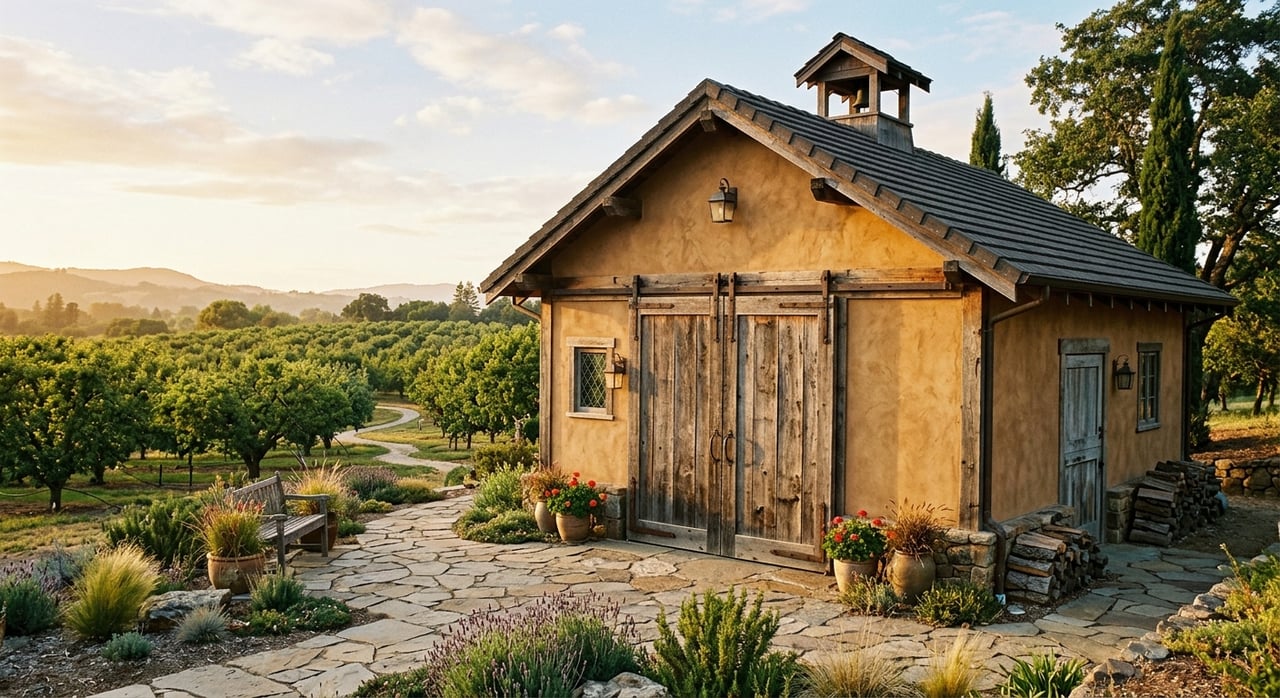
If you are selling a luxury home with land in Corrales or Los Ranchos, you are not just selling square footage. You are selling a rare mix of space, utility, privacy, and a rural-agricultural lifestyle that works very differently from a typical Albuquerque-area listing. When buyers, appraisers, and lenders look at these properties, they pay close attention to the land itself, the water story, and the status of every improvement. That is why a smart strategy matters from day one. Let’s dive in.
Why Corrales and Los Ranchos Need a Different Approach
Corrales and Los Ranchos are best understood as rural-agricultural estate markets, not standard suburban luxury neighborhoods. In Corrales, local land-use materials emphasize preserving rural and open-space character with low-density residential and agricultural development. In Los Ranchos, the village also describes a largely rural and agricultural setting shaped by irrigation systems and historic lot patterns.
That distinction matters when you sell. Buyers are often evaluating more than the home’s finishes and floor plan. They may also be weighing acreage, irrigation access, detached structures, views, setbacks, and how the land can realistically be used.
Lead With the Property Story
A luxury home with land usually has a more layered value story than a standard listing. The home may be beautiful, but the land, water access, and support structures often help explain why the property is unique. If you do not organize that story clearly, buyers may miss key value points.
In Corrales and Los Ranchos, that story often includes features like orchards, fields, long driveways, barns, workshops, corrals, studios, or other accessory structures. These elements can strengthen buyer interest, but only when they are presented accurately and supported by the right documentation.
Land Is Part of the Price
In both communities, lot size and layout can strongly influence market position. Los Ranchos still reflects older agricultural divisions, including long, narrow lot patterns tied to irrigation and road access. Corrales also carries a strong agricultural and open-space identity, which can make the land itself a major part of perceived value.
That means pricing should not lean too heavily on metro-wide averages or nearby suburban comparisons. A property with usable acreage and functional improvements may appeal to a very different buyer than a similarly sized home on a conventional lot.
Water and Irrigation Matter
In Corrales, the village states that there is no municipal water system, so homes and businesses rely on wells. The village also notes there is no sewer system except for a small STEP-served area. For sellers, that makes well, septic, and site information especially important.
In Los Ranchos, the irrigation story also plays a central role. The village directs residents to MRGCD for irrigation water and ditch-rider information, and local agricultural operations rely on acequia systems and drip irrigation. If your property benefits from irrigation-related features, buyers will want to understand them early.
Confirm Improvements Before You Market Them
Accessory structures are often a major selling point on luxury properties with land. In Corrales, the A-1 zone allows one dwelling per lot plus accessory uses and structures. Corrales materials comparing local codes also show Los Ranchos has zoning language that allows accessory buildings and structures such as garages, barns, corrals, and animal pens.
Still, the safest approach is to verify permitted use and code compliance before highlighting these spaces in your marketing. A barn, studio, workshop, or detached garage can add to the property story, but buyers and appraisers will view it differently if permit records or approvals are unclear.
Gather the Right Documents Early
For complex properties, a clean fact package can make a real difference. It helps buyers understand what they are looking at, and it can reduce friction during appraisal and underwriting.
Useful documents may include:
- Surveys
- Permit records
- Acreage details
- Well information
- Septic or sewer details
- Irrigation or ditch-related information
- Flood-zone documents
- Site plans
- Approvals for accessory structures
- Any conservation easement information
Corrales building-permit materials specifically call for flood-zone documentation, site plans showing water, sewer, well, and septic locations, drainage and on-site retention information, and setback and lot-coverage review. Even if your home is not new construction, these local requirements show what details matter in this market.
Price for a Thin, Specialized Market
One of the biggest mistakes luxury sellers make is assuming a broad market average can tell the whole story. In Corrales and Los Ranchos, thin inventory can create wide swings in visible pricing data. That is why pricing needs to be hyperlocal and property-specific.
Recent snapshots show the range. Redfin reports a median sale price in Corrales of $975,000 with 71 days on market and 7 homes sold, while Realtor.com shows a median listing price of $872,500, 71 homes for sale, 49 days on market, and a 92% sale-to-list ratio. In Los Ranchos, Redfin reports a median sale price of $588,000 and $297 per square foot, while Realtor.com shows a median listing price of $1.205 million, 20 homes for sale, 99 days on market, and $355 per square foot.
Those differences are best viewed as a sign of limited inventory and differing time windows, not as a simple contradiction. In a small, specialized market, a handful of sales can shift the visible numbers quickly.
Avoid the Wrong Comparison Set
Nearby Albuquerque areas can offer context, but they should not drive value on a rural luxury property. Realtor.com shows median listing prices of about $711,000 in High Desert, $829,999 in North Albuquerque Acres, and $376,000 citywide in Albuquerque. Those numbers may help frame the broader region, but they do not replace local land-and-lifestyle comps.
A luxury home in Corrales or Los Ranchos should usually be positioned based on acreage, improvements, legal characteristics, and local competition. If your property includes special features like irrigated land, detached barns, or long-established agricultural improvements, those details deserve a more precise analysis than a citywide median can provide.
Understand How Appraisals May Work
Appraisals can be challenging on homes that do not have many close matches. Fannie Mae guidance says appraisers are responsible for choosing the best comparables and that those sales should have similar physical and legal characteristics. If truly similar sales are limited, appraisers may need to use older sales or sales from competing market areas, while explaining why they were the best indicators available.
That is especially relevant in Corrales and Los Ranchos. Rural properties often have fewer comparable sales, and no two estate properties are exactly alike. If your home has substantial land, unique improvements, or a special legal feature, the appraisal process may require more explanation than a standard suburban sale.
Expect More Time on Complex Properties
Fannie Mae says the appraisal process typically takes anywhere from a few days to a few weeks, depending on appraiser availability, property complexity, and report preparation. On a luxury home with land, complexity is often part of the equation.
That is one reason early preparation matters. When the property details are organized and easy to review, the appraiser and lender can understand the home more efficiently.
A Low Appraisal Can Affect the Deal
If an appraisal comes in below the contract price, the outcome can change quickly. Appraisal Institute consumer guidance notes that a low appraisal can lead to renegotiation, a larger down payment requirement, or financing trouble. In a thin market, disciplined pricing from the start can help reduce that risk.
A helpful listing strategy is to assemble the property story carefully, including permits, acreage, water details, surveys, and relevant local comparables. That does not replace the appraiser’s role. It simply helps present the property clearly while respecting the appraiser’s independence.
Do Not Overlook Conservation Easements
If your property is affected by a conservation easement, that should be addressed early and clearly. Corrales states that easement land must remain open space or farmland in perpetuity, and that the easement stays with the property when it is sold. The village also notes that the property is appraised both as unrestricted and as restricted, with the difference reflecting the easement value.
For sellers, that can shape pricing, marketing language, and buyer expectations. A conservation easement may support the property’s long-term setting, but it can also affect how the land is valued and used.
Use Staging to Support the Lifestyle
Even high-end buyers respond to presentation. According to the National Association of Realtors 2025 Profile of Home Staging, 29% of agents reported a 1% to 10% increase in the dollar value offered when a seller’s home was staged, and 49% said staging helped homes sell faster.
For a luxury property with land, staging should do more than make rooms look neat. It should help buyers understand how the home connects to the land. Outdoor entertaining areas, courtyards, portals, guest spaces, studios, and view corridors should all feel intentional and easy to imagine using.
Focus on Clarity, Not Excess
Luxury staging works best when it feels polished but not overdone. Clean, open spaces allow buyers to focus on architecture, natural light, and the connection between indoor and outdoor living. That is especially important in properties where the land itself is part of the draw.
Simple improvements can help a lot:
- Declutter main living spaces
- Depersonalize key rooms
- Minimize seasonal decor
- Open blinds and shades
- Turn on interior lights
- Tidy patios, courtyards, and entry areas
- Clean barns, shops, or detached workspaces
- Make pathways and drive approaches look cared for
Invest in Media That Shows the Land
Photography matters on every listing, but it is especially important when the property includes acreage and detached improvements. Zillow recommends 22 to 27 listing photos as an ideal range and reports that homes with fewer than nine photos are about 20% less likely to sell within 60 days.
For properties in Corrales and Los Ranchos, the media plan should show more than the front door and interior rooms. Buyers need to see the layout of the land, the relationship between structures, the quality of landscaping, and the views that make the setting special.
Prioritize the Right Images
A strong visual package often includes:
- Wide exterior shots
- Main interior living spaces
- Outdoor entertaining areas
- Landscaping and mature trees
- Shops, barns, and garages
- Fields or pasture areas
- Driveway approach and entry sequence
- View lines and surrounding context
- Aerial images when appropriate
Zillow specifically recommends photographing outbuildings, landscaping, views, and aerial or drone footage. That advice is especially useful for land-based listings where buyers may struggle to understand the full property from standard ground-level photos alone.
Keep the Marketing Honest
Strong visuals should still be accurate. Industry guidance emphasizes that marketing should not exaggerate, misrepresent, or conceal pertinent facts. Cosmetic edits may be fine, but visuals should not change the true representation of the property.
That matters on acreage properties. If a barn, field, or irrigation feature is a key selling point, the images should show it clearly and truthfully.
Drone Footage Can Add Real Value
Drone imagery can be especially useful for properties with long driveways, fields, detached structures, and larger setbacks. It helps buyers see the layout of the home and land in a way that standard photography cannot.
Zillow notes that drones are commonly used to capture acreage, home features, roof condition, neighborhood context, and property maps or surveys. The FAA states that flights should remain below 400 feet, stay within visual line of sight, and avoid hazards, while commercial use requires a certified drone pilot and compliance with the Small UAS Rule.
What Buyers Want to Understand Fast
Luxury buyers often move quickly once they understand the full picture. The challenge is that land-based properties can raise more questions than a typical listing. If those answers are hard to find, buyers may hesitate.
Before your home hits the market, it helps to organize answers to practical questions such as:
- How much acreage is included?
- Is there well information available?
- What sewer or septic setup serves the home?
- Is irrigation available or documented?
- Are barns, studios, workshops, or corrals permitted?
- Are there flood-zone documents or surveys?
- Is any part of the land subject to an easement or restriction?
- Which improvements add utility versus simple visual appeal?
When these answers are ready early, your listing feels more credible and more complete.
Why Concierge-Level Coordination Matters
Selling a luxury home with land often means managing more moving parts. You may need to coordinate photography, staging, records gathering, buyer questions, showing logistics, and appraisal preparation with a higher level of detail than a standard sale.
That is where a boutique, hands-on process can help. For a property like this, presentation and documentation should work together. A polished listing may create interest, but a well-prepared property file helps support confidence once serious buyers and lenders start digging deeper.
If you are preparing to sell a luxury home with land in Corrales or Los Ranchos, working with a team that understands complex properties, local market nuance, and high-touch presentation can help you move from guesswork to strategy. To start that conversation, connect with Origins Realty Group.
FAQs
What makes selling a luxury home with land in Corrales different from selling in Albuquerque?
- Corrales is best viewed as a rural-agricultural estate market, so buyers and appraisers often focus on acreage, wells, septic details, accessory structures, and land use instead of relying mainly on standard suburban comparisons.
What should sellers gather before listing a luxury property in Corrales or Los Ranchos?
- Sellers should gather documents such as surveys, permits, acreage details, well and septic information, irrigation details, flood-zone documents, site plans, and any approvals or restrictions tied to accessory structures or conservation easements.
How are luxury homes with acreage in Los Ranchos usually priced?
- These homes are typically priced using hyperlocal, property-specific analysis that weighs land, improvements, legal characteristics, and local comparable sales rather than broad metro averages.
Why can appraisals be harder for luxury properties with land in Corrales or Los Ranchos?
- Appraisals can be more challenging because rural estate properties often have fewer truly similar sales, which may require the appraiser to use older sales or expand into competing market areas with clear explanation.
Should sellers in Corrales market barns, workshops, or corrals as value-add features?
- Yes, but only after confirming permitted use and code compliance, since accessory structures can strengthen the property story when they are documented clearly and represented accurately.
Is drone photography useful for selling acreage property in Corrales or Los Ranchos?
- Yes, drone imagery can help show acreage, long driveways, detached structures, setbacks, and overall layout more clearly than standard photography alone.